
 KB News Desk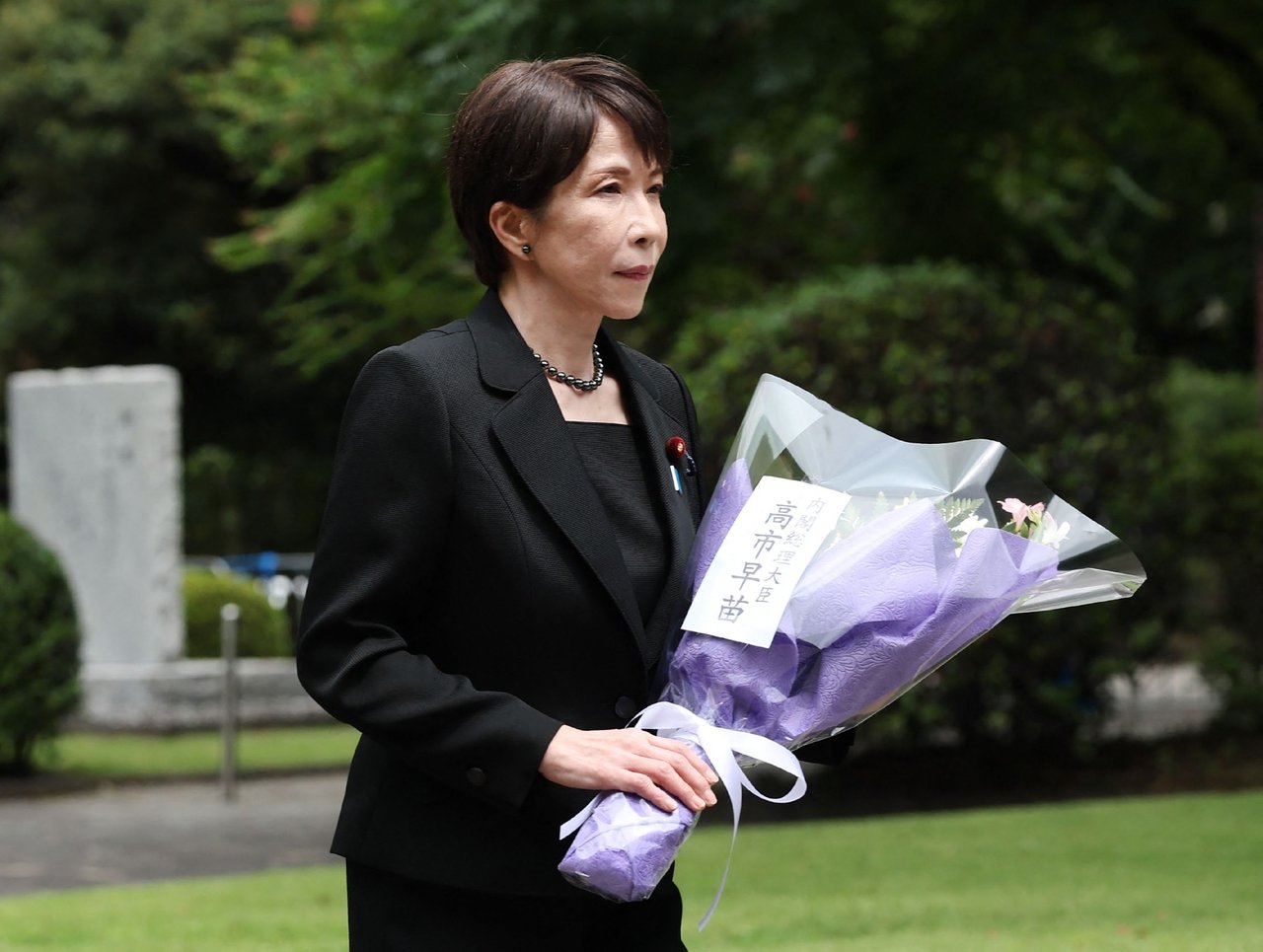
Ties face stress: Japan’s rightward political shift under Prime Minister Sanae Takaichi is putting renewed pressure on Seoul and Tokyo’s effort to keep historical disputes separate from security and economic cooperation.
Two-track strategy tested: South Korea’s Institute for National Security Strategy warns that political instability and conservative policies in Japan could weaken shuttle diplomacy and push bilateral relations toward deterioration.
Yasukuni tensions flare: Takaichi avoided visiting the controversial Yasukuni Shrine on Aug. 15 but sent a ritual offering, while Defense Minister Shinjiro Koizumi and other senior politicians visited — prompting formal protests from Seoul.
“Remorse” language dropped: Takaichi omitted any reference to Japan’s wartime “remorse” in her Aug. 15 address, reversing language revived last year by predecessor Shigeru Ishiba.
Seoul stays calibrated: President Lee Jae Myung acknowledged unresolved colonial-era wounds but stressed that cooperation with Japan is “more important than ever,” signaling a continued commitment to strategic engagement.
Flashpoints remain unresolved: Dokdo, wartime history textbooks, the Sado Gold Mine, Hashima Island and Korean victims of wartime labor remain persistent sources of friction, with Japan again claiming Dokdo in its 2026 defense white paper.
Results now crucial: Analysts warn that repeated dialogue without tangible progress could erode confidence in the two-track strategy; sustaining ties will require gains both on historical disputes and practical cooperation.