

 KB News Desk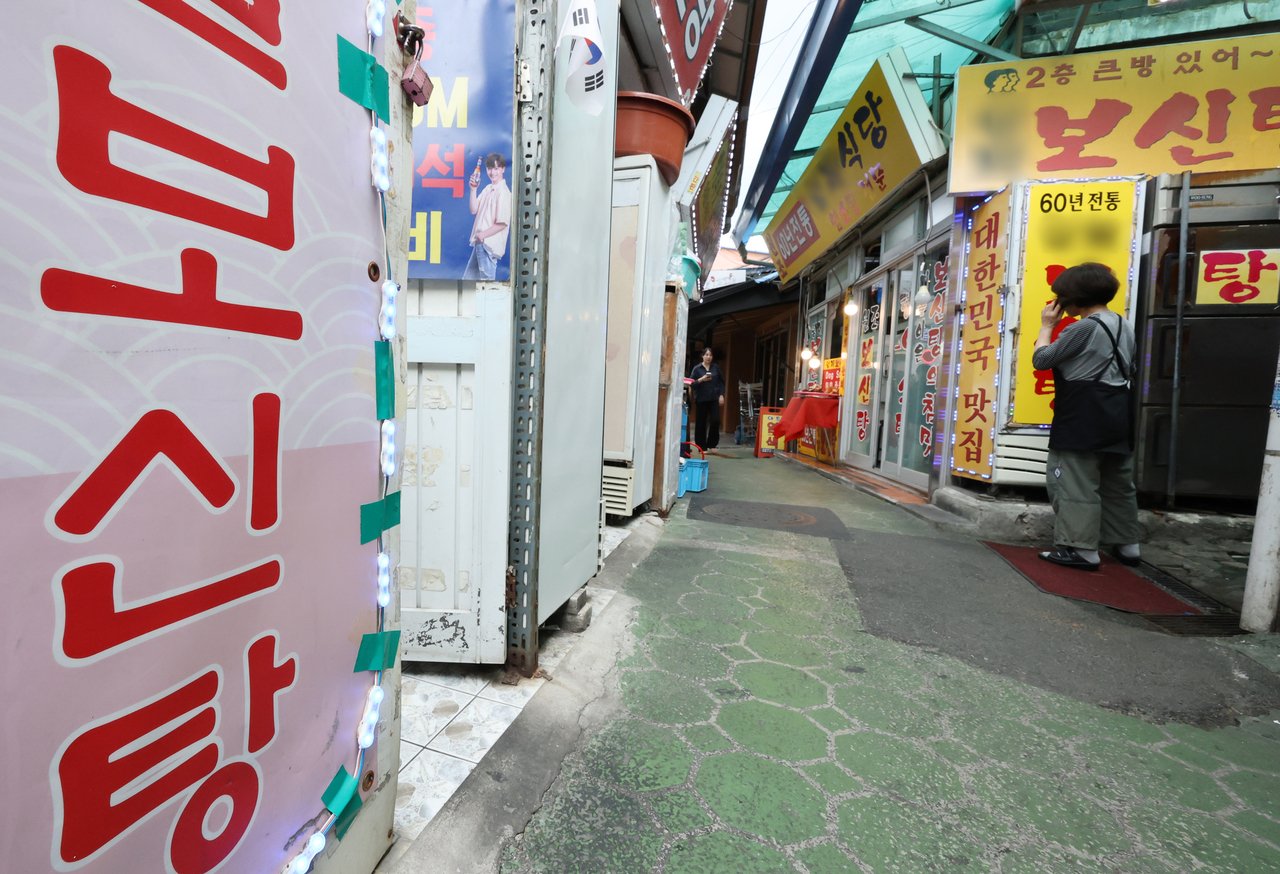
Restaurants serving dog meat in Daejeon have filed lawsuits against local governments, seeking additional compensation as a nationwide ban on the breeding, slaughter, distribution and sale of dogs for food takes effect next February.
Six restaurants in Daejeon’s Daedeok-gu have asked the Daejeon District Court to overturn the district office’s refusal to compensate them for projected operating losses resulting from the end of their dog meat businesses.
The district office rejected their request, saying there is no legal basis for compensating restaurants for lost operating profits.
The Special Act on the End of Breeding, Slaughtering and Distribution of Dogs for Food Purposes prohibits breeding and slaughtering dogs for food, as well as distributing and selling dogs, dog meat and food products made from dog meat, from Feb. 7, 2027.
Under the government’s phaseout program, restaurants that close can receive up to 4 million won ($2,900) for store demolition costs, while those switching cuisines or the type of meat they serve can receive up to 2.5 million won to replace signs and menus.
Several restaurants in Daejeon, however, argue that the support is insufficient and are seeking additional compensation for lost operating profits.
According to Yonhap News Agency, 14 restaurants in four of Daejeon’s five districts have filed similar lawsuits.
District officials said they had already provided the maximum amount of financial support allowed under government guidelines and could not use taxpayers’ money to provide compensation that is not authorized by law.
As public attitudes toward dogs have shifted sharply toward viewing them as companion animals, the government moved to end the dog meat industry, and the National Assembly passed the special act in 2024.
The law, however, has drawn complaints from dog meat farmers, distributors and restaurant owners, particularly over the level and scope of government compensation.
Questions have also been raised over what happened to dogs kept at farms that closed after the law was enacted.
Animal welfare groups have expressed concern that many of the dogs may have been slaughtered, as the government has been unable to account for most of them.
MBC reported last year that about 150,000 dogs had been kept at 611 dog farms that closed during the first year after the law took effect, but only 455 were confirmed to have been adopted or transferred to animal protection facilities.
The government had not established guidelines on how dogs remaining at closing farms should be protected, according to the report.