
 KB News Desk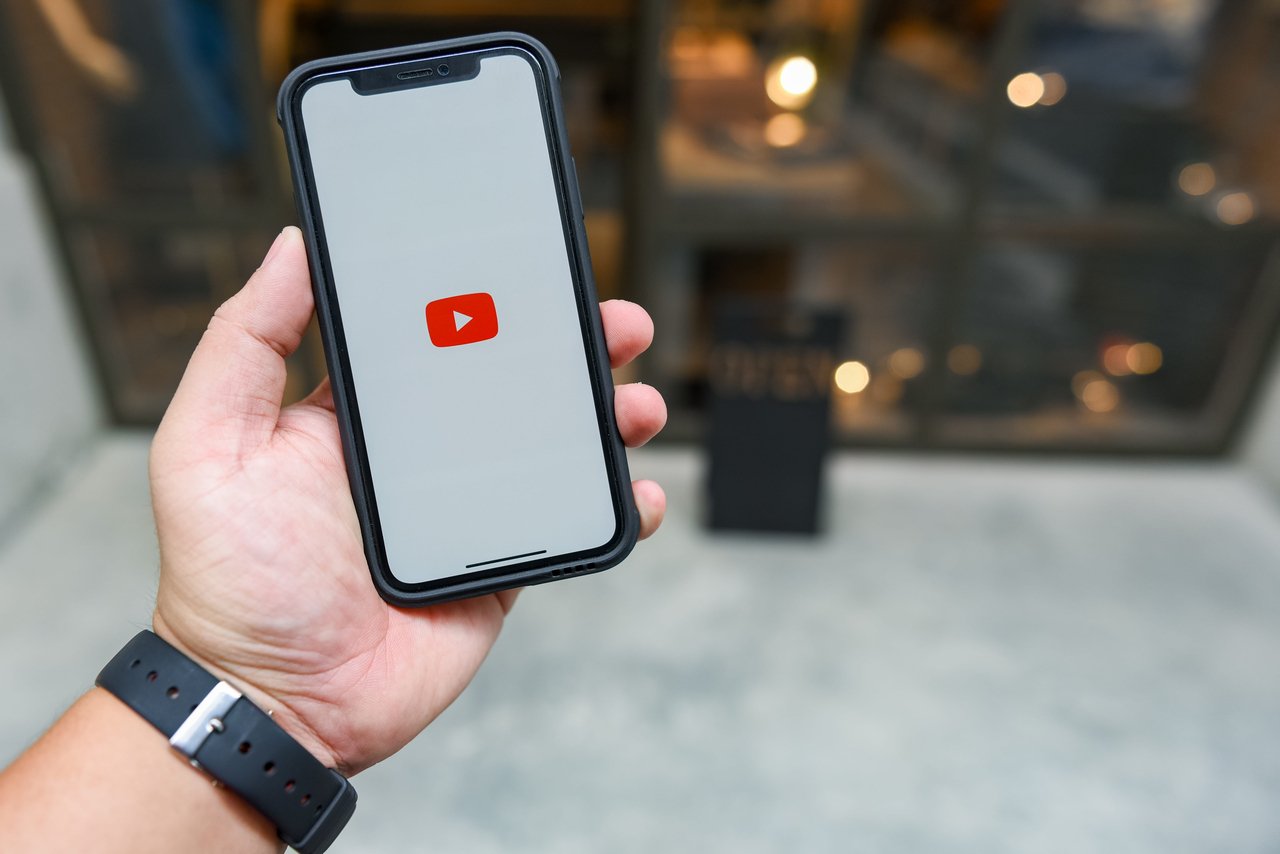
Data shows Wavve nearly closing gap with Netflix on users’ time spent in first half of 2026
YouTube is the dominant media platform in South Korea, far outpacing other services in monthly usage time.
According to Mobile Index, a mobile analytics service operated by data company IGAWorks, YouTube recorded the highest average monthly usage time per user among media platforms during the first half of 2026, averaging 2,640 minutes, or about 43.9 hours, across the monthly figures recorded from January through June.
TikTok ranked second with 633 minutes, followed by Netflix with 522 minutes and Wavve with 494 minutes. Tving ranked fifth with 388 minutes, trailed by Disney+ with 161 minutes and Coupang Play with 97 minutes.
YouTube’s average monthly usage time alone exceeded the combined total of the other six platforms.
Among long-form streaming platforms, meanwhile, the rankings showed a notable shift, with Wavve ranking second among the major streaming services. The gap between Netflix and Wavve was relatively narrow, at just 28 minutes per user per month.
The usage-time rankings contrast with Mobile Index’s 2025 annual rankings of Korean apps, which were based on average monthly active users across Android and Apple’s mobile operating system. In 2025, YouTube had 48.13 million users, followed by Netflix with 14.44 million. Coupang Play ranked third with 7.34 million users, narrowly ahead of Tving with 7.27 million. Wavve had 4.19 million users.
Wavve was originally launched as Pooq in 2012 through a joint venture between Korea’s three major terrestrial broadcasters — KBS, MBC and SBS — before being rebranded in 2019. It remains the only streaming service in the country offering content from all three terrestrial broadcasters, as well as live channels and programming from general programming and cable networks.
Meanwhile, Tving and Wavve signed a memorandum of understanding in December 2023 to pursue a merger, but the deal has yet to be finalized. In June 2025, the Fair Trade Commission granted conditional approval for the merger, requiring the companies to maintain their existing subscription fee levels through the end of 2026 to prevent potential price increases associated with the launch of bundled products.