
 KB News Desk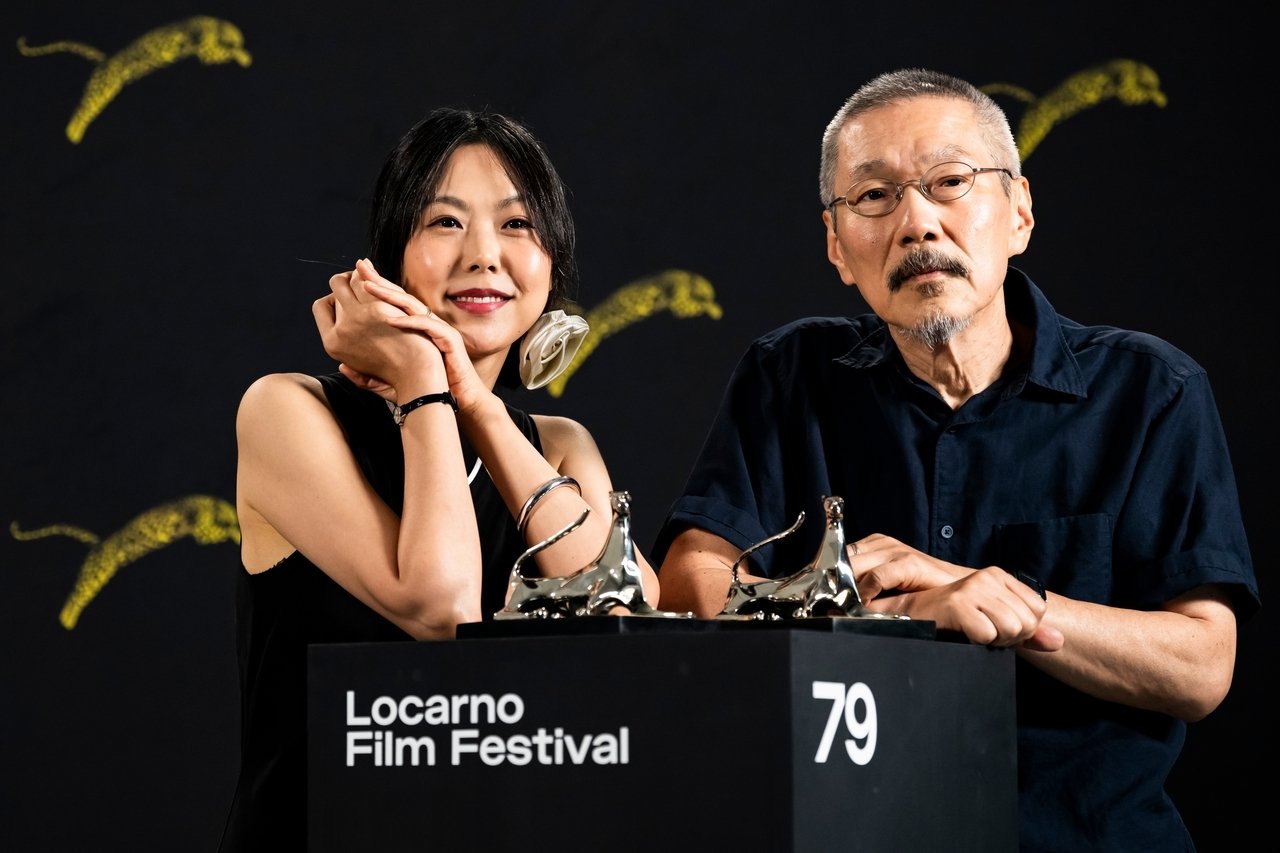
The auteur’s best direction win adds to a festival haul that stretches from Rotterdam and Cannes to Berlin
Hong Sang-soo has spent the past three decades making films entirely on his own terms. The prizes just keep rolling in.
On Saturday, the arthouse mainstay won the prize for best direction at the Locarno Film Festival for “Nowhere to Lay My Eyes,” his 35th feature. Kim Min-hee, his longtime partner and frequent lead, shared the best performance prize with Italian actor Monica Bellucci.
It was Hong’s fifth invitation to the Swiss festival, where he won best director for “Our Sunhi” (2013) and the top Golden Leopard prize for “Right Now, Wrong Then” (2015). Kim won the best performance award in 2024 for Hong’s “By the Stream.”
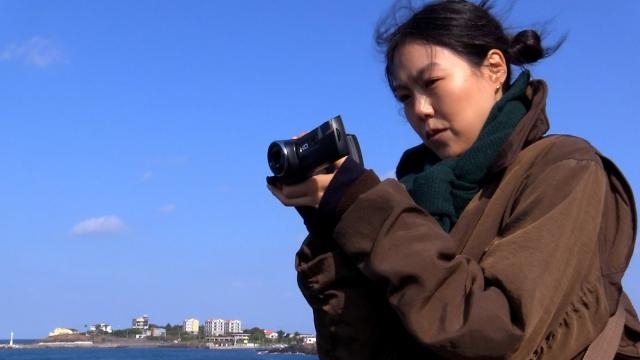
The award is only the latest in one of the most decorated careers in international art cinema. Hong has been a festival favorite almost from the beginning of his career, and few directors have won as steadily on the circuit since.
Born in Seoul to parents who ran a production company, Hong studied theater at Chung-Ang University before leaving for the United States to study film, earning degrees from the California College of Arts and Crafts and the School of the Art Institute of Chicago.
He was 36 when his debut, “The Day a Pig Fell Into the Well” (1996), won the Tiger Award at Rotterdam and drew rave reviews at home. The film, following four loosely connected characters in mid-1990s Seoul, is still cited among the finest directorial debuts in Korean cinema.
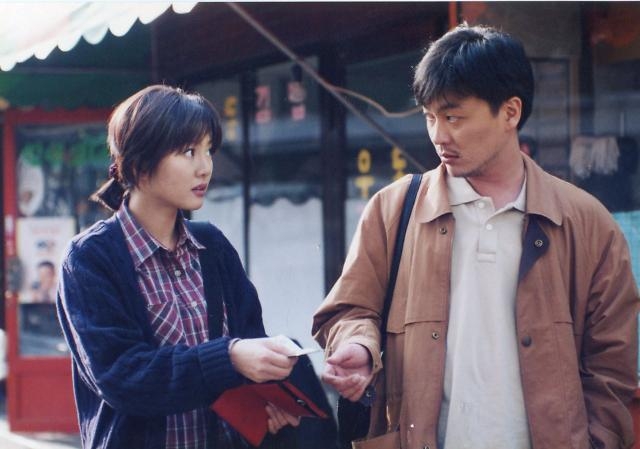
His work found an international audience in the late 1990s and early 2000s. “The Power of Kangwon Province” (1998) and “Virgin Stripped Bare by Her Bachelors” (2000) both screened in Cannes’ Un Certain Regard section, while “Woman Is the Future of Man” (2004), starring Yoo Ji-tae and Kim Tae-woo, marked his first entry in the main competition. Hong would go on to win the Un Certain Regard prize in 2010 with “Hahaha.”
By then, the hallmarks of his style were well established: artists and urban intellectuals whose conversations turn confessional as the drinks pile up, in meandering stories punctuated by abrupt zooms.
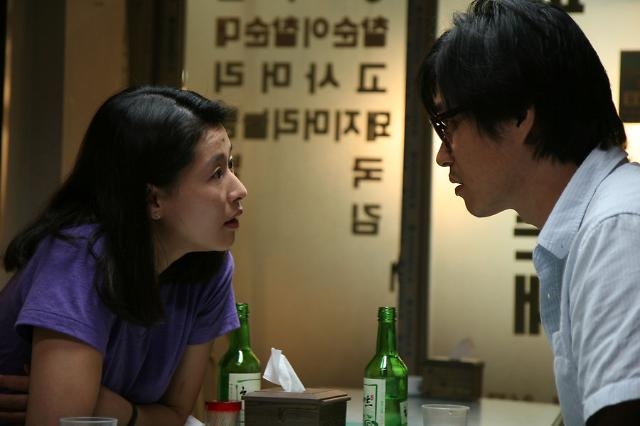
Shooting quickly on shoestring budgets, Hong has released one and often two films each year through his production house, Jeonwonsa Film. He is known for writing his scripts on the fly, drafting each day’s scenes on the morning of the shoot rather than working from a finished screenplay.
Locarno handed him his first top Golden Leopard prize in 2015 for “Right Now, Wrong Then,” which follows a chance encounter between a film director and a painter. It was through this film that Hong first met Kim, with whom he began a relationship while still married. The two have remained together since, with Kim giving birth to their son last year.
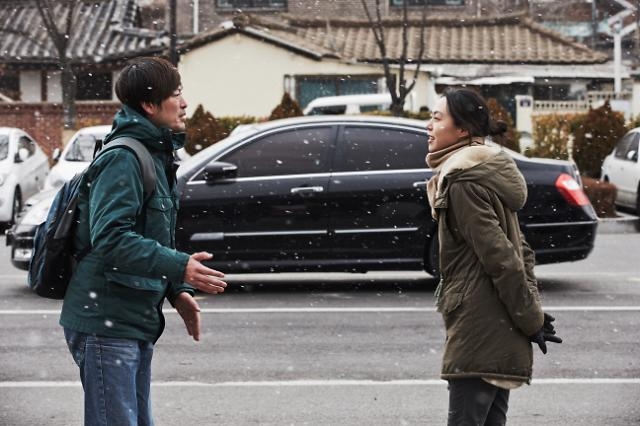
Hong’s most consistent showcase in recent years has been the Berlin International Film Festival, which has programmed his films for seven consecutive years.
“The Woman Who Ran” earned him the Silver Bear for best director in 2020, and “Introduction” took best screenplay the following year. “The Novelist’s Film” (2022) and “A Traveler’s Needs” (2024) each claimed the Grand Jury Prize.
The past two years brought “What Does That Nature Say to You,” which competed for the Golden Bear, and “The Day She Returns,” which screened in the Panorama section this February.
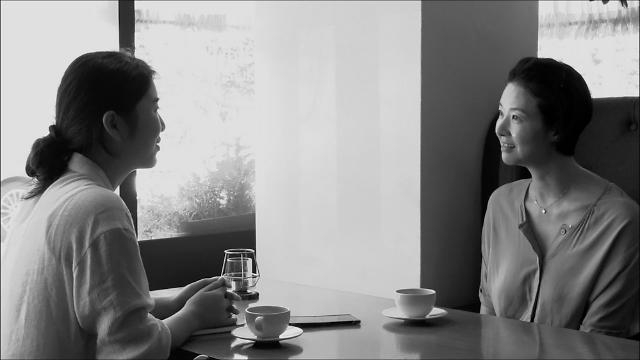
At home, Hong’s films tend to play on a smaller scale, typically opening on 50 to 60 screens nationwide, many of them arthouse venues. Their runs usually wrap within about two weeks, shorter than the four- to eight-week windows common for commercial releases in Korea.