
 KB News Desk
Controversy surrounding the ‘Our Sticky Love’ star erupted after she discussed her family background on TV
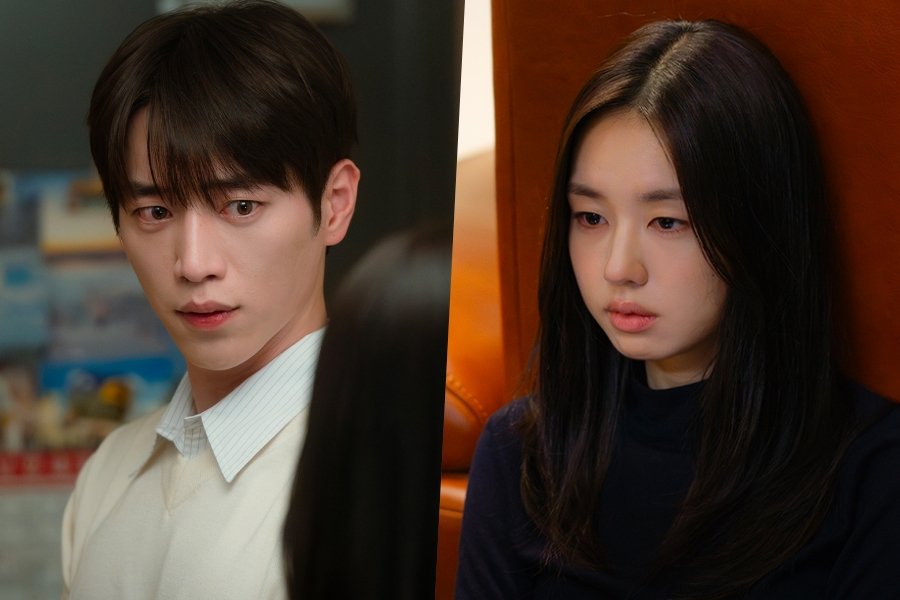
Actor Ahn Ha-young, who currently stars in the popular Netflix rom-com “Our Sticky Love,” has apologized after her agency retracted an earlier statement denying allegations that her great-grandfather had collaborated with Japan’s colonial government.
Bistus Entertainment issued a statement Tuesday acknowledging that its previous characterization of the allegations as “without basis” was premature.
“First, we would like to address our previous statement that the allegations were ‘without basis.’ Following further verification, we have confirmed that a record does in fact exist listing Ahn Sang-ho, the actor’s great-grandfather, as a council member of the Daejeong Friendship Association in 1916,” the agency said. “We sincerely apologize for causing confusion by hastily stating that the allegations were ‘without basis’ without conducting sufficient verification.”
“Ha-young is deeply troubled that her remarks inadvertently led to controversy,” the agency said, adding that the incident underscored “the importance of thorough and careful verification when presenting historical facts and information about an individual’s background to the public.”
The apology comes a day after the agency initially denied claims that Ahn’s great-grandfather was a pro-Japanese collaborator during Japan’s colonial occupation of Korea.
Ahn had recently discussed her family background during an appearance on KBS’ variety show “Problem Child in House,” where she mentioned that her family had four generations of doctors.
Following that, speculation circulated online that her great-grandfather was Ahn Sang-ho, a physician known to have studied Western medicine in Tokyo before opening what is regarded as the first Western-style hospital established by a Korean.
The controversy centers on Ahn Sang-ho’s activities during the Japanese colonial period, including his membership in the Daejeong Industrial Friendship Association, a pro-Japanese organization.
Established in November 1916 as a business group, the association was headed by Min Yeong-gi, a pro-Japanese collaborator, and counted among its members several figures associated with Japan’s colonial rule, including Yi Wan-yong. Yi was among the signatories of the 1905 Eulsa Treaty and the 1910 Japan-Korea Annexation Treaty that formally placed Korea under Japanese rule.