
 KB News Desk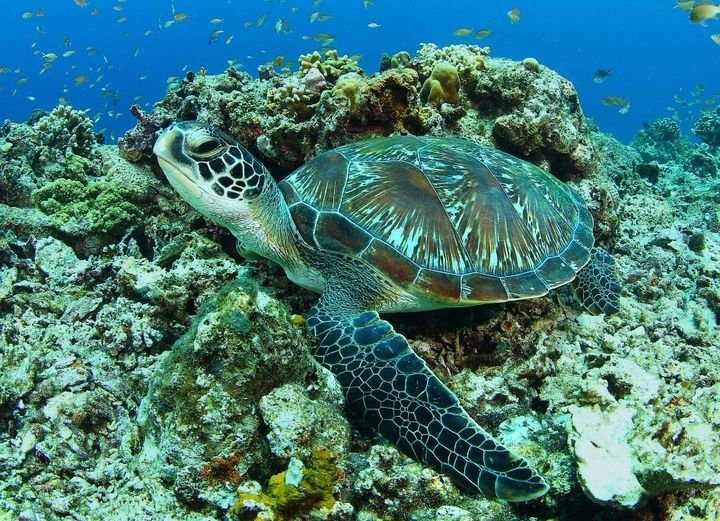
Aqua Planet plans to release rehabilitated green sea turtles (Chelonia mydas) off Jeju Island later this month, adding to a run of marine conservation work that recently included helping rescue an injured Indo-Pacific bottlenose dolphin on the country’s east coast.
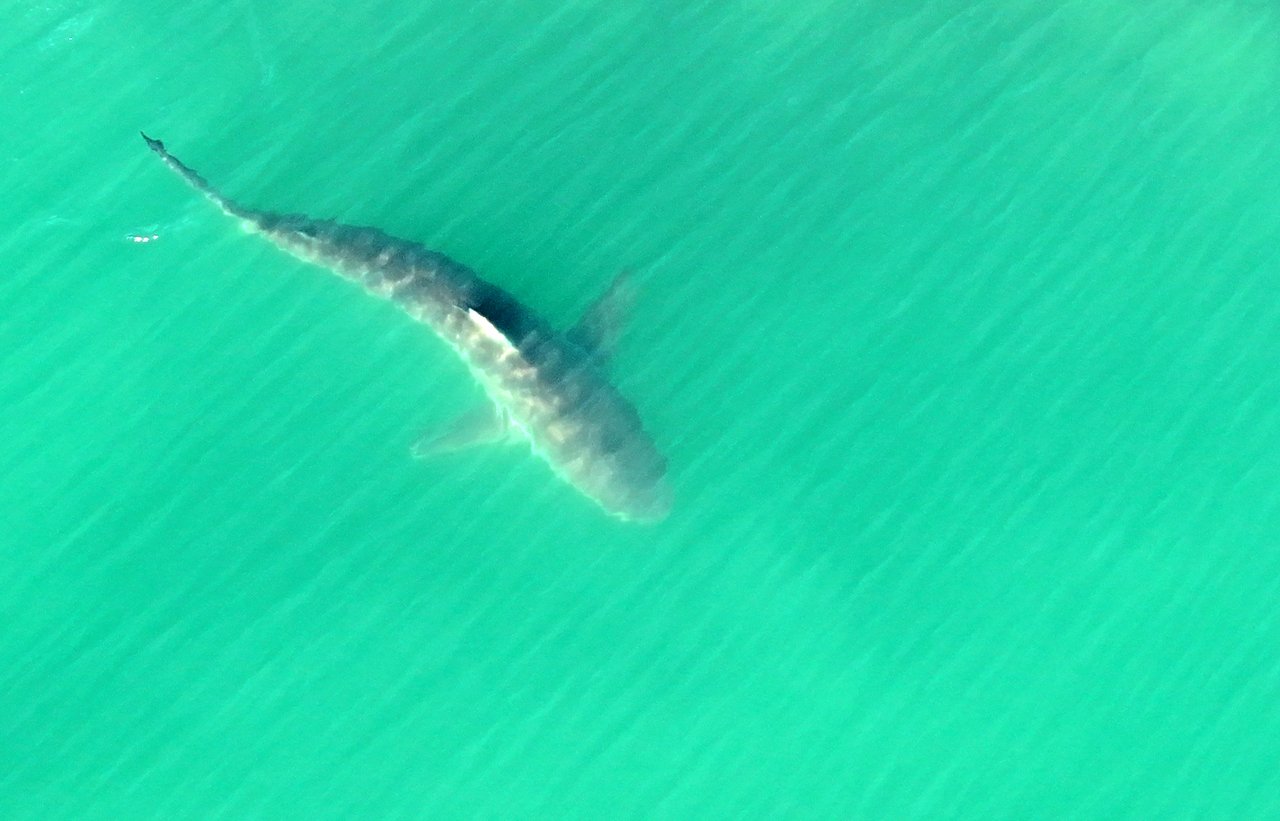
The aquarium operator was part of the team that recovered Anmoki, a young Indo-Pacific bottlenose dolphin that had lived alone near Gangneung, Gangwon Province, since the summer of 2025. The dolphin was named after Anmok Beach, where it first drew attention.
Indo-Pacific bottlenose dolphins are protected by the Ministry of Oceans and Fisheries and usually travel in pods off Jeju Island. Anmoki had separated from its group and grew unusually comfortable around people, repeatedly approaching boats and rubbing against their propellers. The behavior left a laceration about 20 centimeters wide on its back, along with other wounds.
The Oceans Ministry concluded the dolphin faced a high risk of death and, after a meeting of experts, decided on an emergency rescue. The dolphin was captured on July 15 at Gangneung Port and moved to a dedicated treatment tank at the Jangsaengpo Whale Culture Zone in Ulsan.
Aqua Planet said it sent 10 specialists, including veterinarians and aquarists, from its Marine Life Research Institute and its Gwanggyo, Ilsan and Jeju sites. The team took part in the underwater capture, veterinary checks and the land transfer.
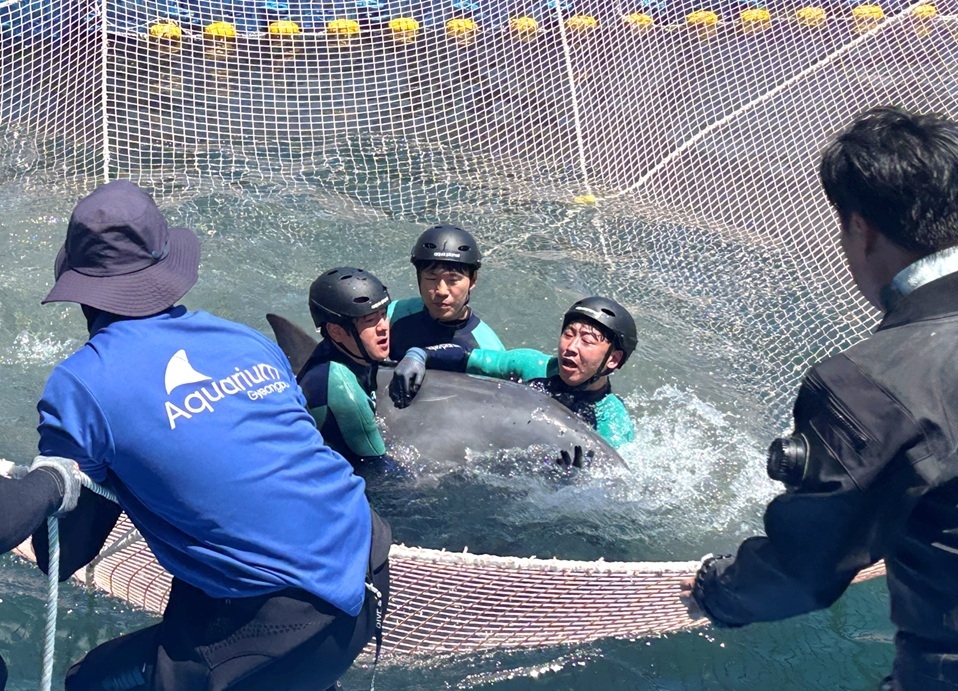
Anmoki is now stable and receiving detailed diagnosis and intensive care. Officials plan to return the dolphin to the wild once it has recovered, after consulting with domestic and international experts.
Aqua Planet’s Jeju, Yeosu, Ilsan and Gwanggyo aquariums are designated by the Oceans Ministry as ex-situ conservation institutions and marine animal rescue and treatment centers. Aqua Planet Jeju has rescued and treated about 60 marine animals in distress, including Indo-Pacific bottlenose dolphins and finless porpoises.
Aqua Planet Yeosu, in South Jeolla Province, has run an artificial breeding program for sea turtles since 2013. The company said it has hatched 209 turtles and released 168 at Jungmun Saekdal Beach in Seogwipo on Jeju Island.
The next release is set for Aug. 27, when Aqua Planet will return green sea turtles to the wild at the Jungmun site.
“Anmoki is not the only marine life we have rescued. Green sea turtles have struggled to reproduce in the wild for some time, so we built an artificial nesting site in Yeosu to help them spawn, and each year we return rescued turtles to the sea at Saekdal Beach once we judge them ready,” a manager at Aqua Planet told The Korea Herald.
Green sea turtles are found off Jeju and along the South and East seas, and are the most commonly seen of the five sea turtle species that appear in Korean waters. They come to coastal waters to feed and return to the beaches where they hatched to lay eggs.
The species has declined due to bycatch, marine pollution and damage to nesting grounds. The Oceans Ministry designated it a protected marine species in 2012 and, with specialist institutions, rescues and treats stranded or bycaught turtles while researching artificial breeding. From 2014 through last year, 35 green sea turtles completed rescue and treatment.
“As with the Anmoki case, we will keep working to protect marine life and conserve ecosystems, with a sense of duty as one of Korea’s leading rescue and treatment institutions for marine animals,” said Kim Si-hoon, CEO of Aqua Planet.