
 KB News Desk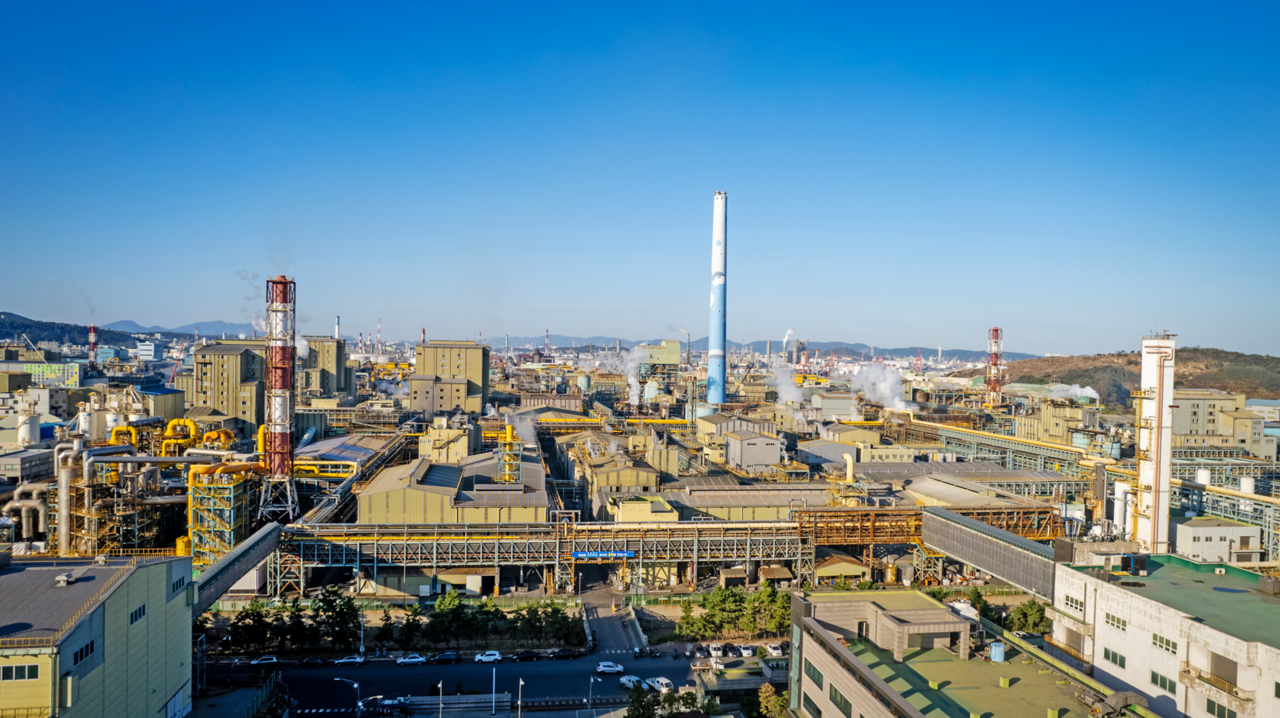
Korea Zinc recorded its highest-ever operating profit in the second quarter of this year, mainly driven by robust demand for key metals.
The company said Wednesday that its second-quarter sales revenue and operating profit jumped to 6.37 trillion won ($4.46 billion) and 587 billion won, respectively, rising 66.6 percent and 126.8 percent from a year earlier. Korea Zinc also marked its 106th consecutive quarter of operating profit since the company began mandatory quarterly earnings disclosures.
For January to June, the company’s consolidated revenue increased 62.5 percent year-on-year to 12.45 trillion won, while operating profit skyrocketed 151.5 percent to 1.33 trillion won, marking its strongest-ever first-half performance. Operating margin expanded to 10.7 percent from 6.9 percent in 2025.
Korea Zinc said strong sales of key metals drove its performance, with silver sales nearly tripling to 4.11 trillion won, gold up 58.5 percent to 1.23 trillion won, zinc rising 22.6 percent to 1.56 trillion won and copper increasing 51.8 percent to 334 billion won.
Sales of strategic metals, such as bismuth and indium, as well as semiconductor-grade sulfuric acid, also increased.
On the same day, Korea Zinc’s board approved a second-quarter dividend of 5,000 won per share. The company’s dividend for the first half of the year stands at 10,000 won per share, representing approximately 204 billion won in shareholder returns.
Korea Zinc reaffirmed its commitment to its value-up plan announced in 2024, which aims to achieve a total shareholder return ratio of more than 40 percent from 2024 to 2026. The company underscored that it would continue to enhance profitability, strengthen competitiveness and create sustainable value for shareholders.
“Our record first-half performance was driven by employees’ efforts, technological innovation, proactive investments, differentiated capabilities in valuable metal recovery and a diversified product portfolio,” A Korea Zinc official stated. “We will continue to focus on improving productivity and profitability while enhancing corporate value.”