
 KB News Desk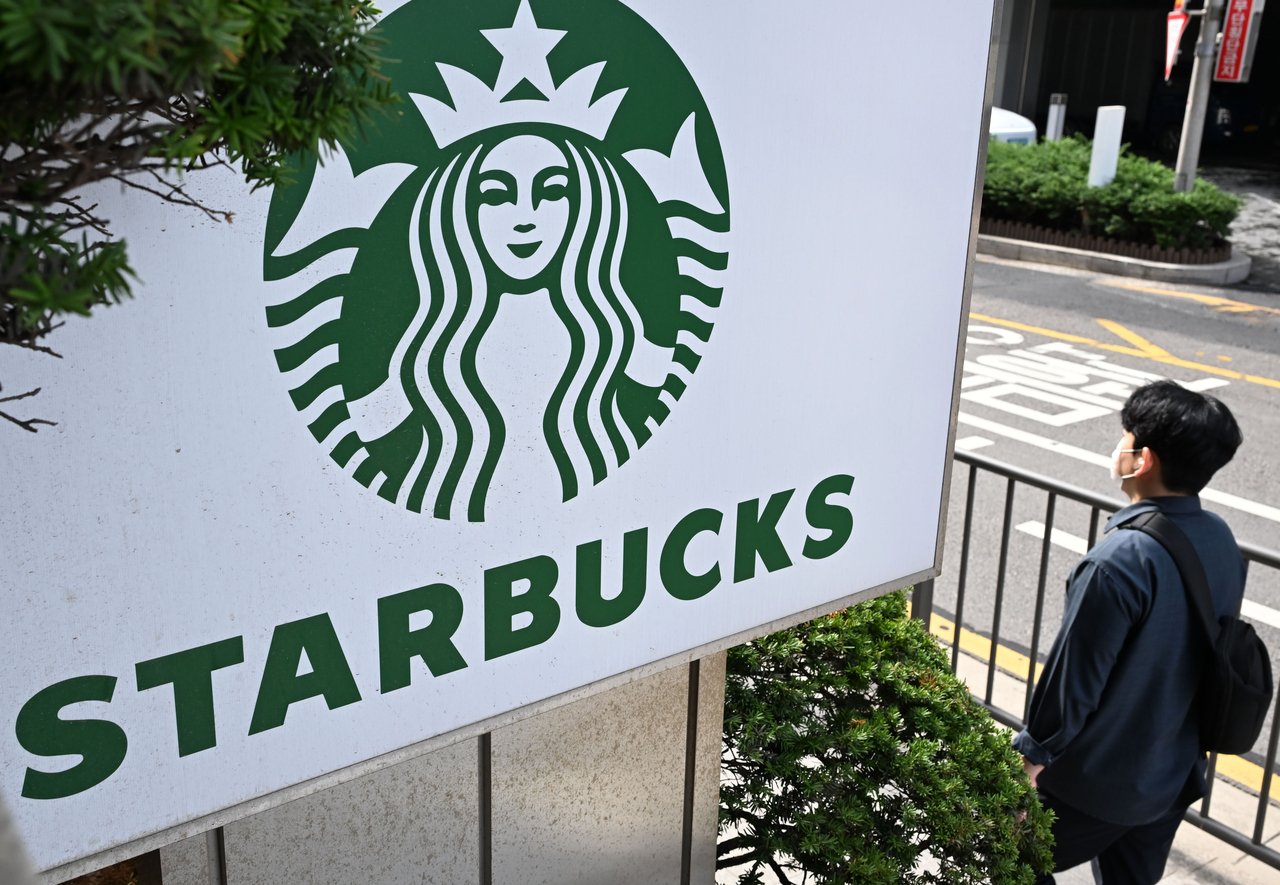
Twosome Place steals lead, while Mega Coffee nips at heels
Rival coffee chains are chipping away at Starbucks Korea’s market lead in the fallout from its “Tank Day” controversy, payment data showed Tuesday, with Twosome Place having overtaken Starbucks in monthly card sales for a third straight month.
Twosome Place logged an estimated 117 billion won ($82 million) in card sales last month, some 7 billion won more than Starbucks’ 110 billion won, according to IGAWorks’ Mobile Index.
Twosome Place has outsold Starbucks every month since May, taking the lead for the first time in three years of monthly data. Cumulative sales over that span reached 361.4 billion won against Starbucks’ 331.6 billion won, a gap of nearly 30 billion won.
Another challenger, Mega MGC Coffee, Korea’s leading budget coffee chain, posted 98.2 billion won in July, edging closer to the 100 billion won mark. Its momentum carried into reputation rankings as well, topping the Korea Corporate Reputation Research Institute’s July brand reputation index, with Twosome Place trailing close behind.
Starbucks Korea’s slide traces back to May, when a tumbler promotion built around the phrase “Tank Day” struck the public as an echo of offensive language tied to the 1980 Gwangju Democratic Uprising and the death of student activist Park Jong-chul under torture. Weekly card sales and new app downloads both slid in the aftermath.
Shinsegae Group Chairman Chung Yong-jin apologized publicly on May 26, taking personal responsibility for the promotion that ignited nationwide anger and pledging an overhaul of the group’s internal risk management systems.
The following month, Shinsegae introduced mandatory education on Korean history and awareness of social issues for Starbucks Korea employees and E-mart affiliates, with Chung himself included.
Although Starbucks’ sales climbed 9.6 percent from June to July, industry officials note that Twosome Place and budget coffee chains had already been building momentum before the controversy, and that the damage to Starbucks’ brand trust has since sped up the shift in the market’s pecking order.
“With Starbucks’ sales back on the rise, Starbucks Korea and Twosome Place are expected to keep swapping places for a while,” an industry official said. “Much of how this rivalry plays out will come down to their strategies for the rest of the year.”