

 KB News Desk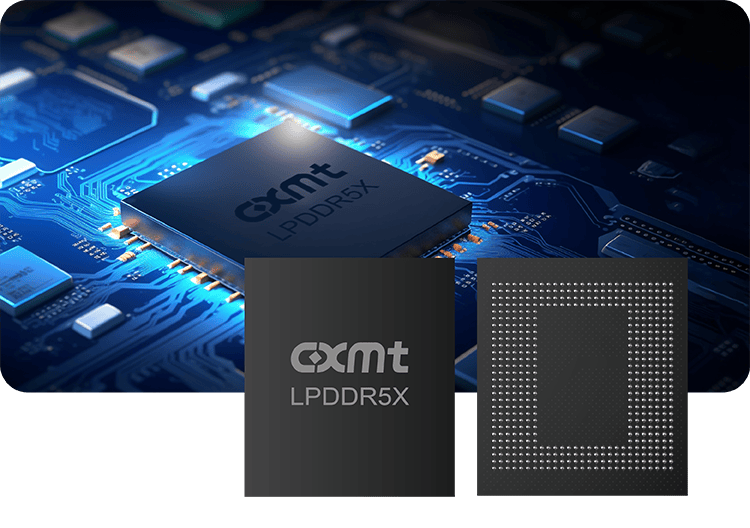
Chinese rival closes on next-gen mobile-memory lead of Samsung, SK hynix
Chinese memory maker ChangXin Memory Technologies has reached a key stage in developing next-generation mobile memory, industry sources said, less than a week after its Shanghai debut made it the most valuable company listed on a mainland Chinese exchange.
Chinese business outlet Yicai reported Saturday, citing unnamed industry sources, that a core CXMT affiliate had brought its first LPDDR6 chip to what the outlet described as the “tail end” of research-and-development validation, an important step before mass production.
CXMT has not confirmed the report, nor has it disclosed any customer certification, yield figures or mass-production date.
LPDDR6 is the next-generation low-power DRAM standard tailored to run AI features directly on mobile devices rather than in the cloud. Validation is the second of four steps before such a chip ships ahead of small-batch qualification and full production.
Yicai said CXMT’s chip is designed to run at 12.8 gigabits per second, with better reliability and lower power use than its current LPDDR5X. That figure falls within the industry LPDDR6 standard but below the 14.4 Gbps that rivals reach using EUV lithography, the advanced equipment US export controls bar CXMT from buying.
CXMT listed on Shanghai’s STAR Market on July 27, raising about 57.9 billion yuan ($8.6 billion). The stock closed its first day up 466 percent and gained 523 percent over its first week of trading, passing Industrial and Commercial Bank of China as the mainland’s most valuable listed firm.
LPDDR products generated two-thirds of CXMT’s revenue in 2025, according to its IPO prospectus.
LPDDR6 is also designed to reach beyond phones into AI PCs, cars and low-power servers. As Samsung, SK hynix and Micron have shifted capacity toward high-bandwidth memory for AI accelerators, they have left thinner supply in mobile and standard DRAM, the segments where CXMT has grown fastest.
Of the three market leaders, SK hynix is furthest along. In March it announced the completed development and customer certification of a 16-gigabit LPDDR6 chip built on its most advanced 1c process, claiming a 33 percent gain in data-processing speed and a 20 percent cut in power use over the previous LPDDR5X generation. The company plans to begin supply in the second half. Chinese media have reported Xiaomi as a likely first customer, though SK hynix has declined to confirm any.
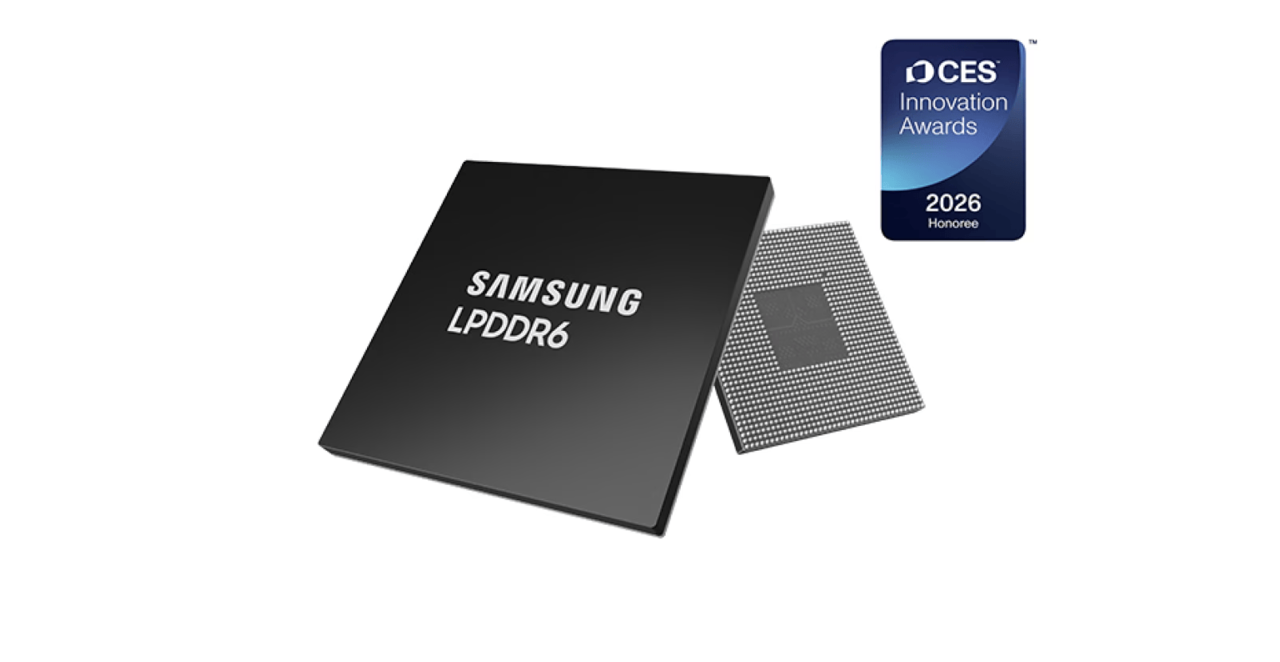
Samsung Electronics showed an LPDDR6 part at CES in January, where it won an innovation award, but has not given a production date. Micron Technology began sampling its chips to partners only in December, and has said the market will shift toward LPDDR6 without setting a timeline.
How fast CXMT can convert that momentum is the open question. Its share of global DRAM bit shipments is projected to reach 11 percent by 2028, up from 8 percent last year, according to Counterpoint Research. Samsung is forecast to hold 34 percent that year and SK hynix 29 percent.
“Reaching validation is a real step, but it’s still a long way from a shipping product,” an industry official said. “The questions that actually matter are yield, how the chip performs in a real device and whether customers qualify it. We don’t yet know where CXMT stands on any of those against the Korean makers.”