
 KB News Desk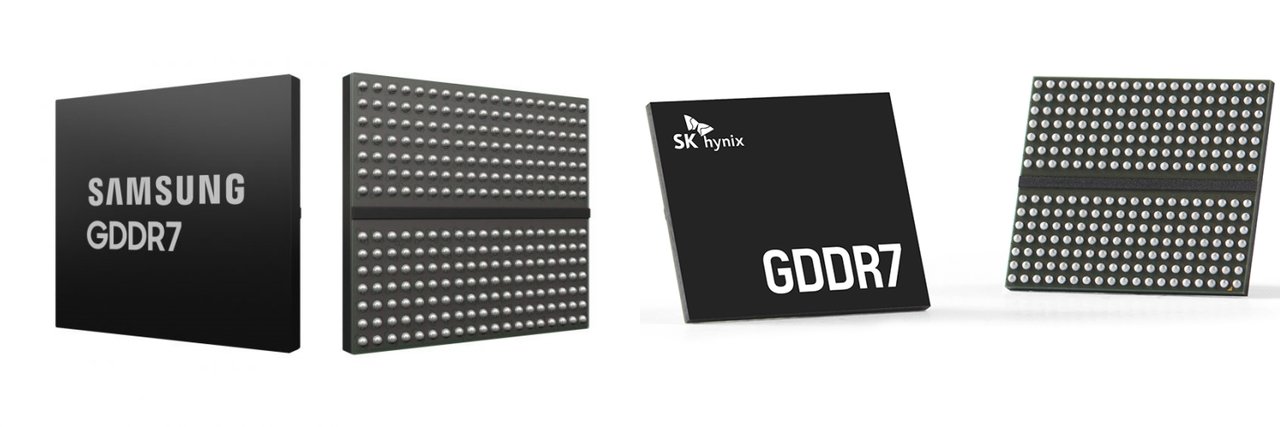
Nvidia weighs 20-30% graphics card price hike as memory costs climb
Samsung Electronics and SK hynix are expected to benefit from rising GDDR7 DRAM prices, as Nvidia is reportedly considering raising graphics card prices by 20 to 30 percent amid growing pressure from component costs.
Nvidia is weighing the increase to reflect higher prices for graphics processing units and GDDR7 memory, according to industry sources Monday.
If implemented, it would mark the US chipmaker’s third graphics card price adjustment this year, following increases in January and May.
The latest round could also cover a broader range of products. While the previous increases were largely limited to select high-end models, the new pricing may extend across much of the GeForce lineup, the sources said.
Makers of graphics cards have faced mounting cost pressure as prices for GPUs and memory chips continue to climb. Reports from China’s distribution market have also pointed to tighter supplies and higher prices for some graphics card models.
The reported move comes amid sustained strength in memory prices, driven by continued investment in artificial intelligence servers and demand for high-performance PCs.
High-bandwidth memory has so far been the biggest beneficiary of the AI investment boom, but the upward momentum is now spreading to graphics memory used in high-end GPUs.
GDDR7 is the latest generation of graphics DRAM and is used in Nvidia’s GeForce RTX 50-series graphics cards. Samsung, SK hynix and Micron Technology are its main suppliers.
A price increase by Nvidia would suggest that the makers of graphics cards are finding it increasingly difficult to absorb higher GDDR7 costs. If the additional costs are reflected in prices, firmer memory pricing could translate more directly into improved earnings for suppliers.
For Samsung and SK hynix, the shift would add graphics DRAM to the premium memory products benefiting from AI-related demand, alongside HBM.
Samsung identified graphics DRAM as one of its next-generation growth products during its second-quarter earnings call in July. The company said it plans to expand GDDR7 shipments to meet growing demand from AI accelerators and high-performance graphics products.
Industry sources expect the GDDR7 market to maintain its growth momentum as AI-related demand expands beyond servers into a wider range of computing and graphics applications.
Nvidia, however, has not publicly confirmed the reported price increase. Both the size and timing of any adjustment remain subject to change.
“Nvidia’s consideration of a price increase amid mounting GDDR7 cost pressures underscores how graphics memory has evolved from a mere cost item into a key component shaping both GPU performance and product pricing,” an industry source said. “For Samsung Electronics and SK hynix, the growing strategic importance of GDDR7 could yield benefits well beyond higher shipment volumes.”