
 KB News Desk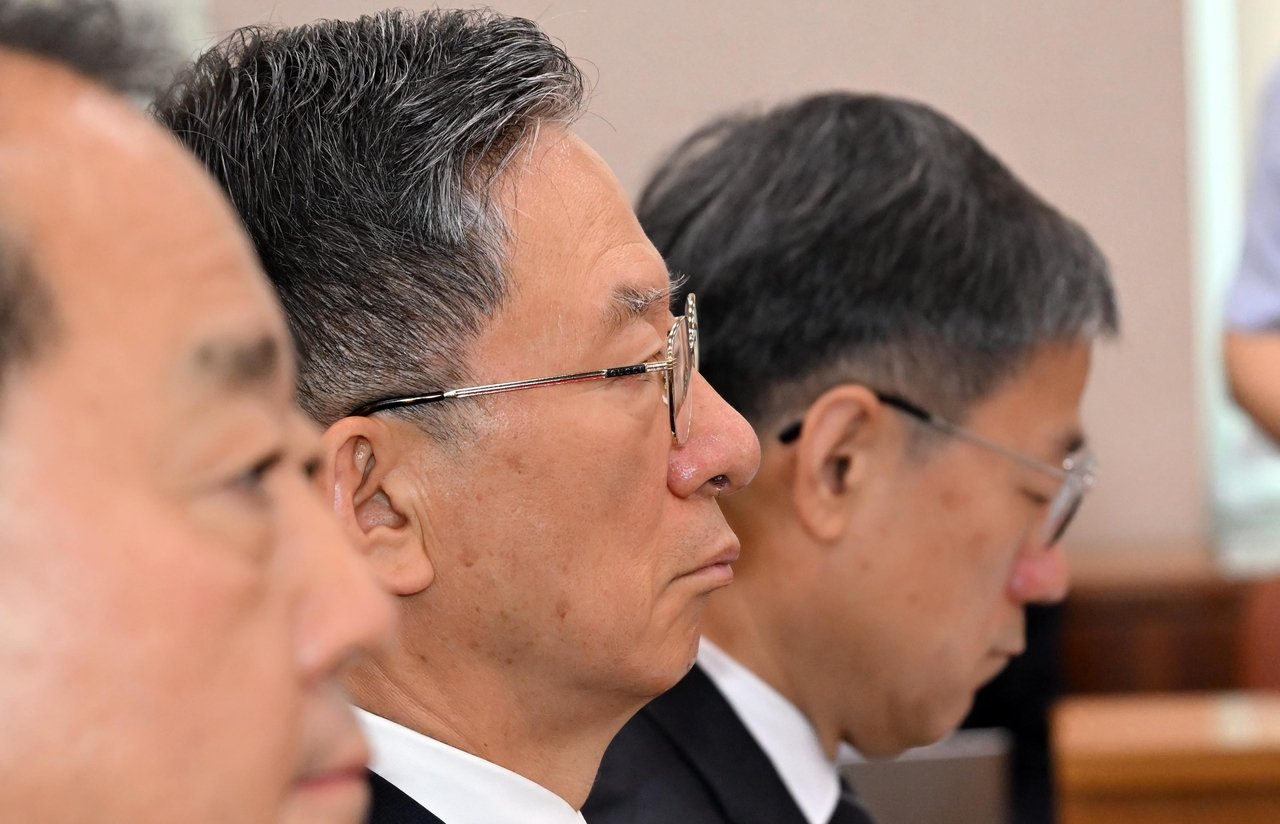
Justice Minister Jung Sung-ho cited a health issue when asked about rumors that he would soon resign from the post, during a general meeting of the Legislation and Judiciary Committee at the National Assembly on Monday.
Jung’s remarks comes at a time when the ruling Democratic Party, which holds the majority of seats in the National Assembly, is seeking to complete its signature prosecutorial reform drive, removing all investigative powers and leaving prosecutors with only the power of indictment.
“The prosecutorial reform is on the verge of completion, and from my personal viewpoint, (the Justice Ministry) should put new wine into new wineskins,” Jung said, suggesting that he could resign sometime in the future.
“I’m in poor health,” he said. “I have been suffering from a severe sleep disorder for months, and I have more personal issues that I cannot say at this moment, so I’ve been talking with people close to (President Lee Jae Myung) about (my future).”
Jung added that he was considering resigning even before Rep. Kim Min-seok, the former prime minister running for the Democratic Party leadership post, announced the government’s plan to completely remove the prosecutors’ investigative authority in late June.
However, Jung said now is not the right time to talk about his future as the minister, who oversees South Korea’s criminal justice system as it faces a major overhaul through the liberal bloc-led prosecutorial reform.
“I don’t think it is appropriate for my future path to steal the spotlight, at a time when President Lee is opening a new horizon for South Korea’s national development together with global big tech firms during his trips to foreign countries,” Jung said during the meeting.
Jung’s remarks came in response to five-term Democratic Party lawmaker Rep. Park Jie-won’s question about recent media reports speculating on his resignation.
Park told Jung in turn, “Given your health condition, you can stay in the post until the end of this year.”
Park added, “An aide to the president needs the attitude of making the president successful even if it means your death. So, I advise you to quit after sitting through the launch of the Public Prosecution Service and the Serious Crimes Investigation Agency.”
Before the parliamentary meeting, Park, one of the more vocal advocates to the prosecutorial reform, said in a radio interview that it was inappropriate for Jung to avoid his responsibilities as the justice minister, should Jung quit before the prosecution gets split into two in October.
The liberal bloc has long called for reforms to the criminal justice system, claiming that the prosecution had often abused its power by monopolizing its authority to investigate a crime and to indict a criminal based on its investigations.
People Power Party Rep. Yoon Sang-hyun said Jung was not denying the news reports about his resignation, to which Jung said, “I cannot determine my future as a minister. I have my responsibilities in the government so I am giving it a lot of thought in various ways.”
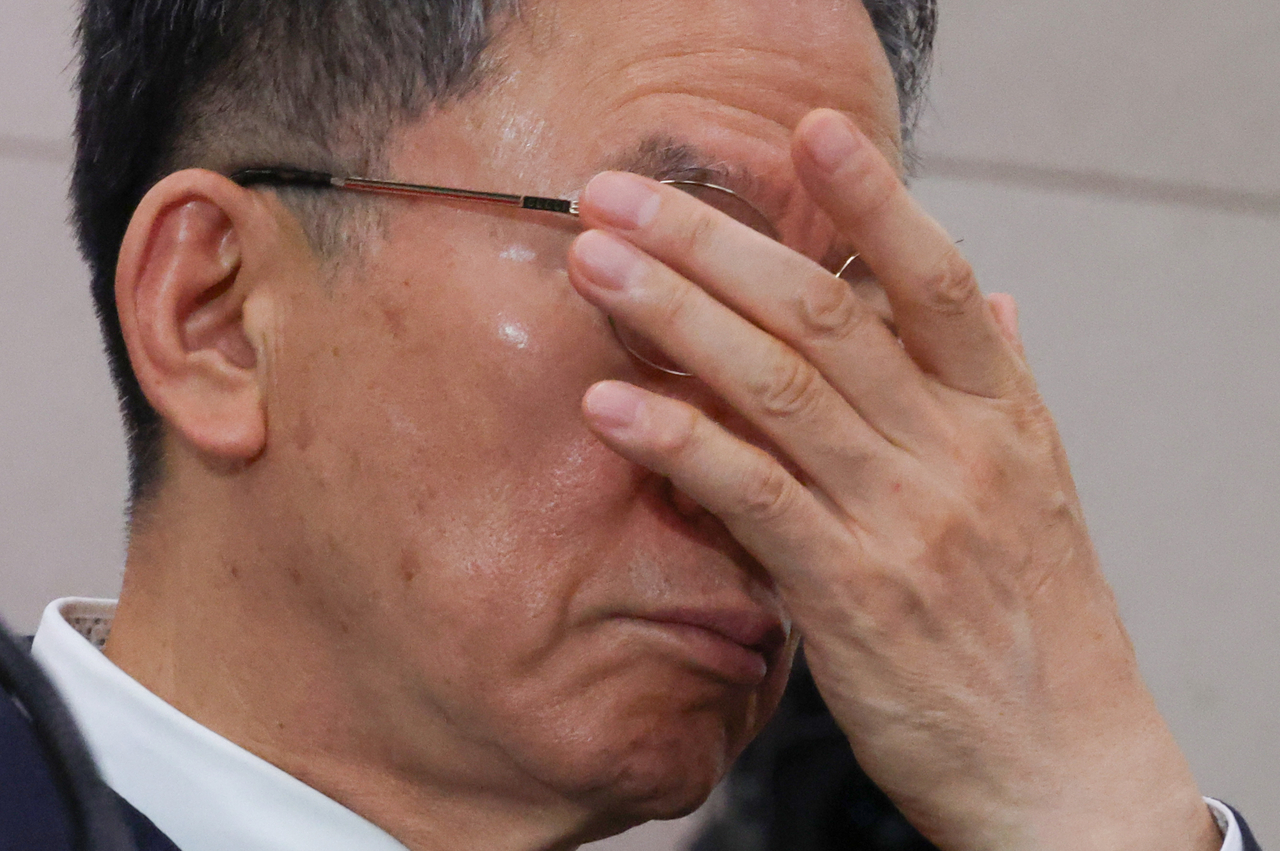
There has been media speculation over Jung’s resignation in the past few weeks.
Before entering the committee meeting, Jung told reporters in response to their questions about his future path, “It is your interest, not the people’s interest.”
Cheong Wa Dae chief spokesperson Kang Yu-jung, who is with President Lee on his trip to Brazil, said in a press briefing Sunday local time that the presidential office could not clarify whether Jung had offered to resign.
Rep. Han Dong-hoon, an independent lawmaker who was formerly a prosecutor, said in a Facebook post Monday that Jung’s claim of poor health would make sense if he quit both as justice minister post and a lawmaker.
Jung now doubles as a Cabinet member and five-term lawmaker of the Democratic Party.
“If his health is so poor that he cannot serve as justice minister, he will not be able to serve as a member of the National Assembly either, so he should resign from that position as well,” Han noted. “Only then will his excuse make even a little bit of sense.”
Monday’s meeting of the Legislation and Judiciary Committee was the first since the main opposition People Power Party ended its boycott last week.