
 KB News Desk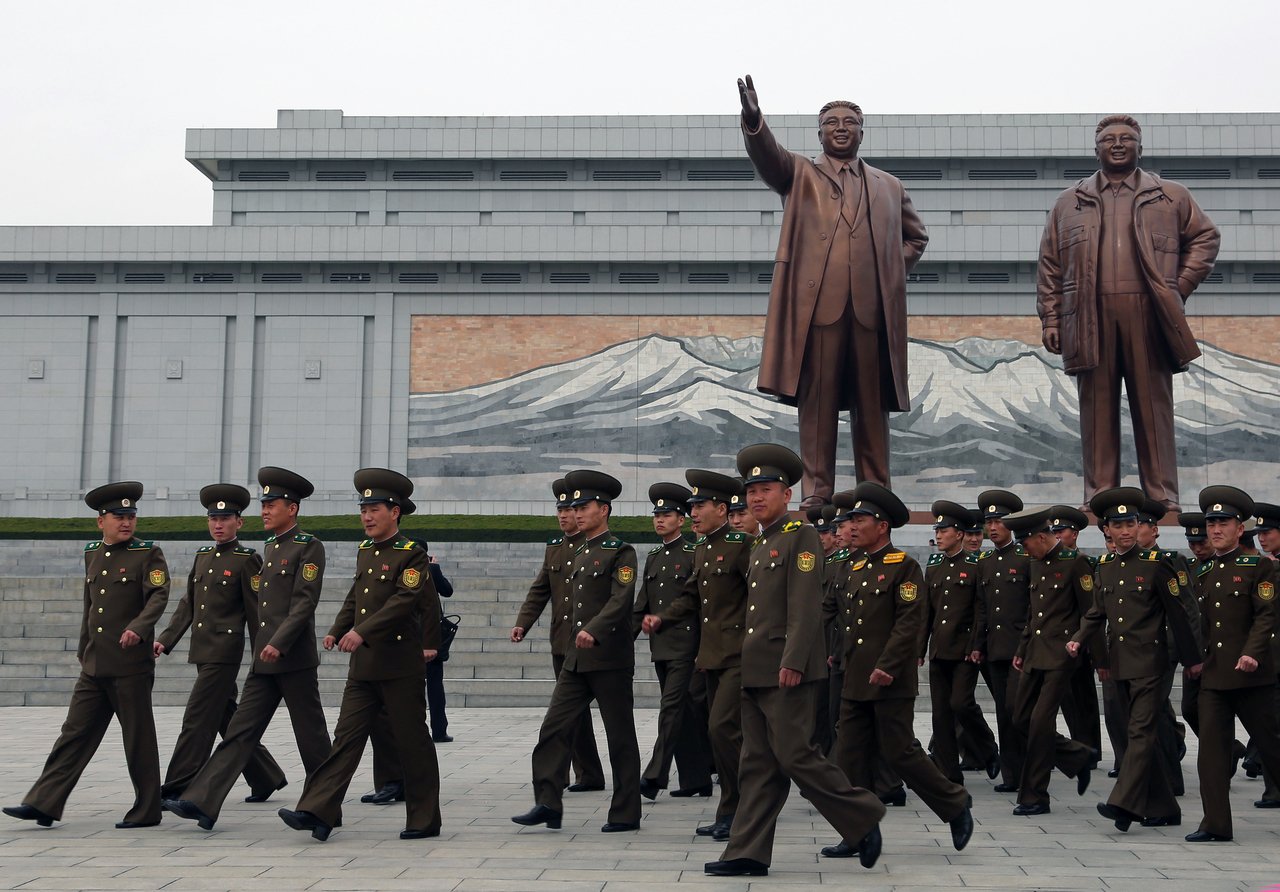
Ukrainian President Volodymyr Zelenskyy has claimed that Russia is preparing to receive an additional 30,000 North Korean troops. Local experts say frontline deployment is unlikely despite growing Pyongyang-Moscow military ties.
In a social media post on Saturday, Zelenskyy claimed that Russia wants another 30,000 North Korean soldiers, and that preparations have been underway in Russia’s Voronezh region to receive them since June. The Ukrainian leader added that North Korea was also preparing to transfer additional ballistic missile launchers to Russia.
Voronezh, in southwestern Russia near the Ukrainian border, serves as a major transportation and logistics hub linked to battlefields including Kursk and the Donbas region. North Korean troops sent to Russia in late 2024 reportedly passed through the region before being deployed to Kursk, where they supported Russian operations against Ukrainian forces.
Neither North Korea nor Russia has publicly responded to Zelenskyy’s latest claims, which have not been independently verified.
No unusual movements indicating the imminent deployment of tens of thousands of North Korean troops have been detected, according to South Korean officials familiar with the matter.
Zelenskyy’s remarks came shortly after North Korean Foreign Minister Choe Son Hui visited Moscow for talks with Russian leaders on July 19. During a meeting with Choe at the Kremlin, Russian President Vladimir Putin thanked the North Korean leadership for its support for Russia’s war effort.
Still, experts believe North Korea would have difficulty sending another 30,000 soldiers into high-intensity combat while maintaining sufficient forces for its own defense and replacing personnel already deployed abroad.
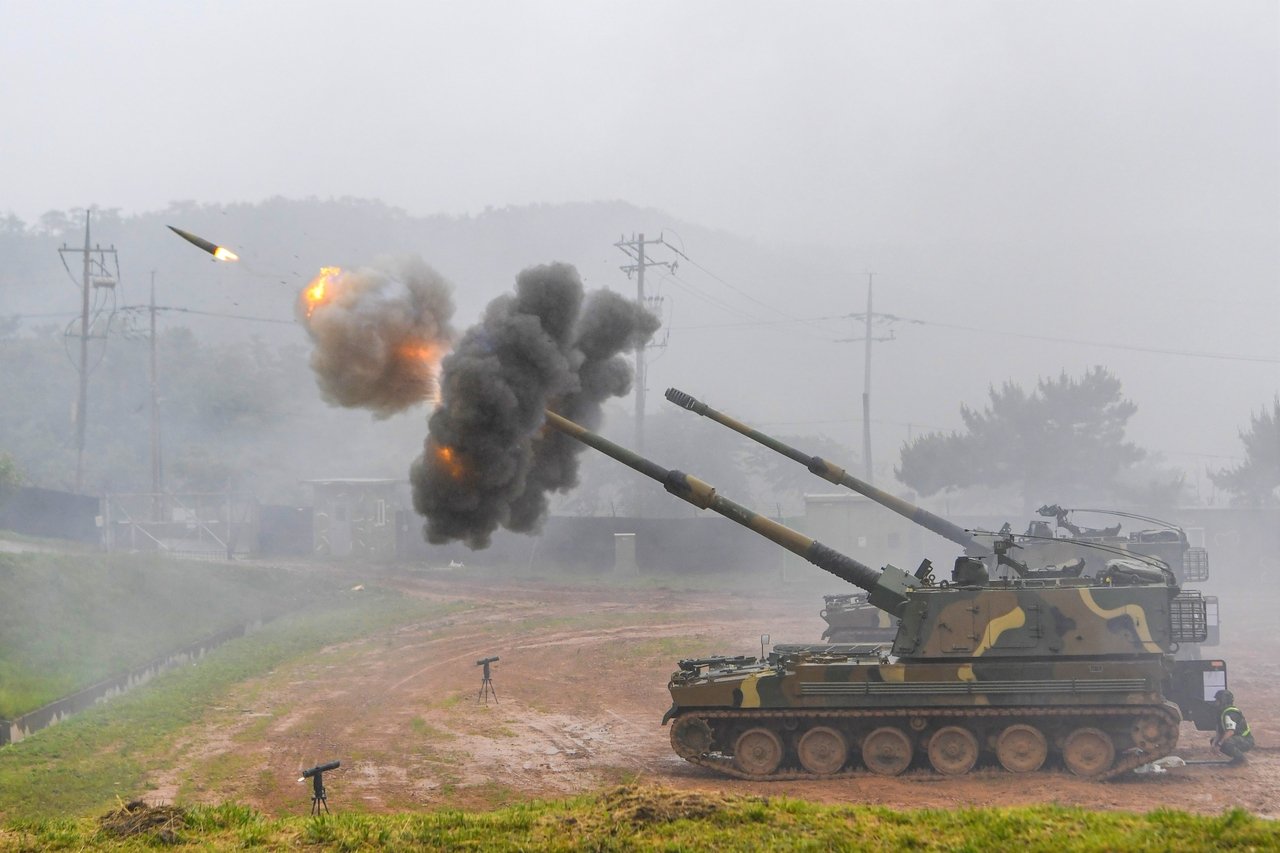
Even if additional troops are sent, they are more likely to consist of regular infantry soldiers, artillery operators or support personnel rather than special operations forces, they said. Such troops could guard Russian border regions and military facilities or perform rear-area duties, freeing Russian soldiers for deployment to the front.
“North Korea has presented the deployment as assistance provided under the mutual defense provisions of its treaty with Russia, so it is unlikely to send troops directly into the conflict zone,” Yang Uk, a research fellow at the Asan Institute for Policy Studies, said.
“However, an arrangement could be made to send personnel who operate long-range artillery or short-range missiles capable of providing fire support from Russian territory, or additional forces assigned to rear-area security duties, in return for transfers of military technology.”
Yang added that North Korea, instead, could use additional troop deployments as leverage to obtain advanced Russian military technology, including technology related to nuclear-powered submarine reactors, missile systems and the miniaturization of nuclear warheads.
Meanwhile, South Korea said it was closely watching developments surrounding military cooperation between North Korea and Russia.
“The government is closely monitoring developments related to military cooperation between North Korea and Russia,” a Foreign Ministry official said Monday, speaking on condition of anonymity.
“The government maintains its position that military cooperation between North Korea and Russia that violates UN Security Council resolutions must be stopped immediately,” the official said, declining to disclose further details due to security concerns.
North Korea began sending troops to Russia in October 2024, several months after North Korean leader Kim Jong Un and Putin signed a treaty committing the two countries to provide military assistance if either side came under armed attack.
About 14,000 North Korean combat troops are estimated to have been deployed to Russia, primarily in the Kursk region. Pyongyang has since sent an additional 6,000 military engineers and construction personnel, bringing the total number of personnel committed to Russia to around 20,000.