
 KB News Desk
A South Korea-backed vocational education program is helping young Africans turn skills in agriculture, food processing and beauty services into jobs and small businesses, according to UNESCO.
The Better Education for Africa’s Rise initiative, known as BEAR, has trained more than 10,000 young people and supported over 5,800 vocational teachers across 14 African countries since it was launched in 2011.
UNESCO is now featuring the program through its global “Skills Move Us” campaign, launched around World Youth Skills Day on July 15. The campaign includes articles, videos and stories showing how vocational training has helped participants find work or start businesses.
In Sierra Leone, a beneficiary identified as Fatmata used training in agriculture and cassava processing to launch a business selling cassava products at a local market. She has since begun employing other people, UNESCO said.
“It will make everybody self-sufficient, and we’ll have our confidence back,” Fatmata said. “Through my business, I have money. Through my agricultural skills, I have money. And I’m also an employer.”
The program seeks to ensure that vocational training reflects actual demand in local labor markets rather than remaining limited to short-term courses or internships.
Employers participate in designing curricula, supervising trainees and assessing students according to industry standards. UNESCO said the approach helps training institutions provide skills that improve graduates’ chances of finding employment or setting up their own businesses.
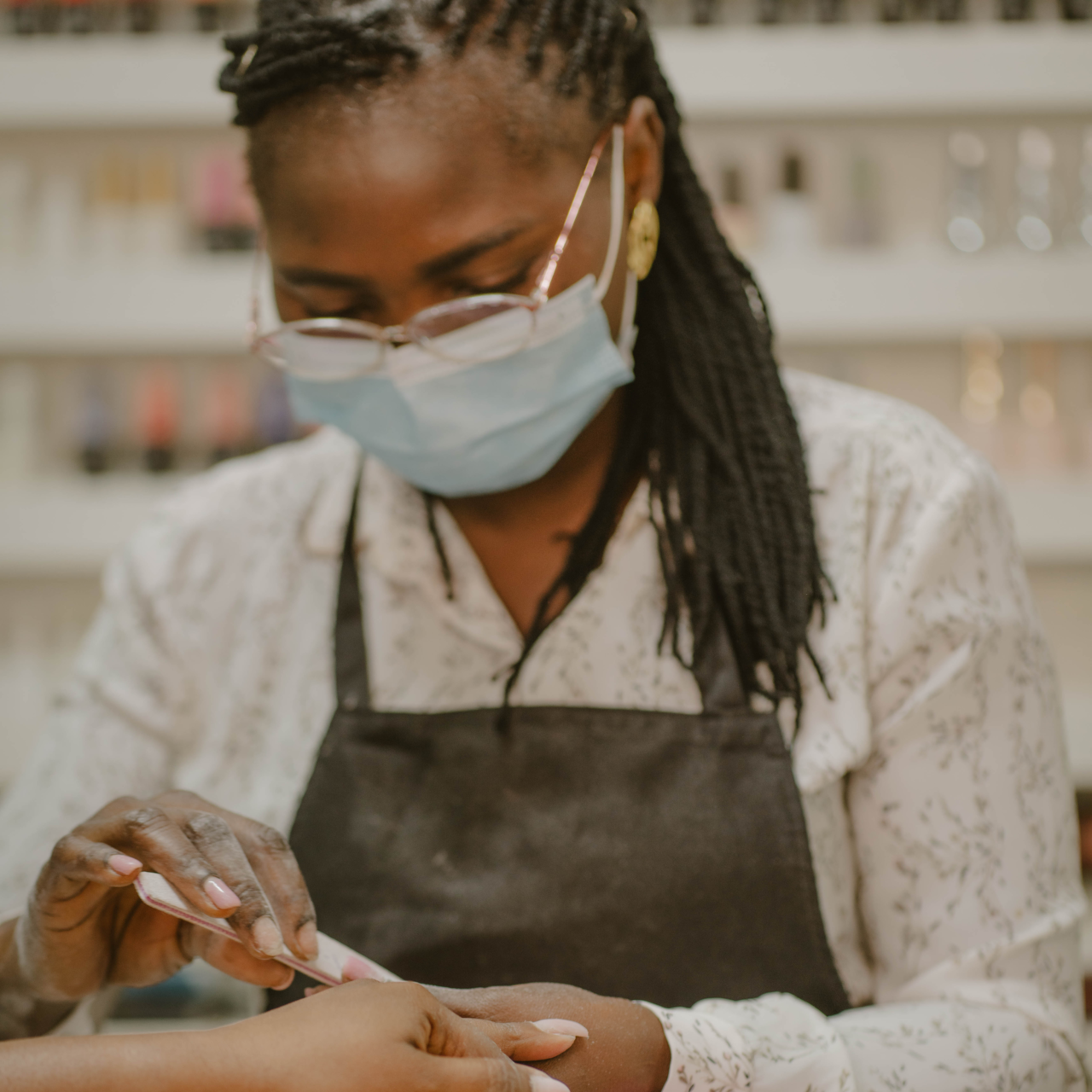
In Cote d’Ivoire, the program has helped women enter the beauty industry and establish their own salons.
Elodie Silue, who now runs a beauty salon, said the training enabled her to turn her plans into a viable business.
“I carried on because I believed in myself and my vision,” she said. “Above all, the training helped me — and I am very grateful for it.”
BEAR was launched as one of South Korea’s flagship overseas development cooperation projects in education. It was initially implemented in Southern Africa before expanding to East Africa.
The latest phase is being carried out in Cote d’Ivoire, Ghana, Nigeria and Sierra Leone, focusing on sectors with employment potential, including agriculture, fashion and beauty.
“With support from the Republic of Korea, UNESCO has brought together governments, training institutions and employers to ensure that skills training responds to labor market needs,” UNESCO said in a statement, referring to South Korea by its official name.
The Education Ministry said UNESCO’s decision to feature BEAR prominently in a headquarters-led global campaign marked a rare case in which the results of a Korean government-funded development project were used as major campaign content.
The campaign coincided with the 48th session of the World Heritage Committee, held in Busan from July 19-29.
UNESCO has also created a dedicated webpage and promotional video for the campaign, along with additional content on the program’s work in Sierra Leone.
The ministry said the campaign reflects growing recognition of BEAR as one of UNESCO’s major vocational education initiatives and raises the international profile of South Korea’s contribution to education development in African countries.