
 KB News Desk
Wider design, lighter body, subtler crease make Samsung’s redesigned Fold feel more natural in everyday use
LONDON — Among Samsung Electronics’ three new foldables, the redesigned Galaxy Z Fold8 left the strongest first impression during a hands-on session at Galaxy Unpacked 2026 on Wednesday.
Its wider shape, lighter body and less noticeable display crease made Samsung’s book-style foldable feel more comfortable and practical than previous generations.
Wider model feels more natural
The difference was apparent before the phone was even opened. Shorter and wider than Samsung’s previous Fold models, the Fold8 sits more naturally in the hand and feels less like an unusually tall smartphone.
Unfolded, the new 4:3 display immediately feels more practical. Websites, photos and social media feeds fill the screen more naturally, while e-books look closer to actual printed pages. Videos also leave noticeably less empty space around the image.
The display does not simply feel larger — it feels better suited to how people actually use a phone.
At 201 grams, the Fold8 is also surprisingly light. It still has the unmistakable feel of a foldable, but the gap in weight compared with a conventional flagship smartphone seems much smaller than before.
Samsung’s new Flex Titanium display structure also makes the center crease far less distracting. It remains visible under bright lighting at certain angles, but during normal use it quickly fades into the background. While watching videos, browsing photos or reading e-books, this reporter rarely noticed it.
The hinge is also more refined, opening smoothly while maintaining enough resistance to feel reassuringly solid.
AI works better on wider screen
Samsung also demonstrated several new Galaxy AI features, many of which benefited from the Fold8’s wider display.
Now Nudge suggested adding a meeting to the calendar after recognizing plans in a chat conversation. Keeping both the conversation and the suggested action on screen at the same time made the feature feel more integrated into the interface rather than like a separate AI assistant.
In another demonstration, Gemini recognized a landmark displayed on the screen and searched for nearby hotels based on spoken instructions. The transition between apps was smooth, though its usefulness outside the demonstration will ultimately depend on broader app support and how reliably it handles less precise requests.
Among the camera updates, My FanCam stood out as one of the more practical additions. After selecting one person in a group video, the phone automatically generated a separate clip that kept the subject centered throughout the recording — a feature that could prove useful for school performances, sporting events and family gatherings.
Ultra targets productivity, Flip refines formula
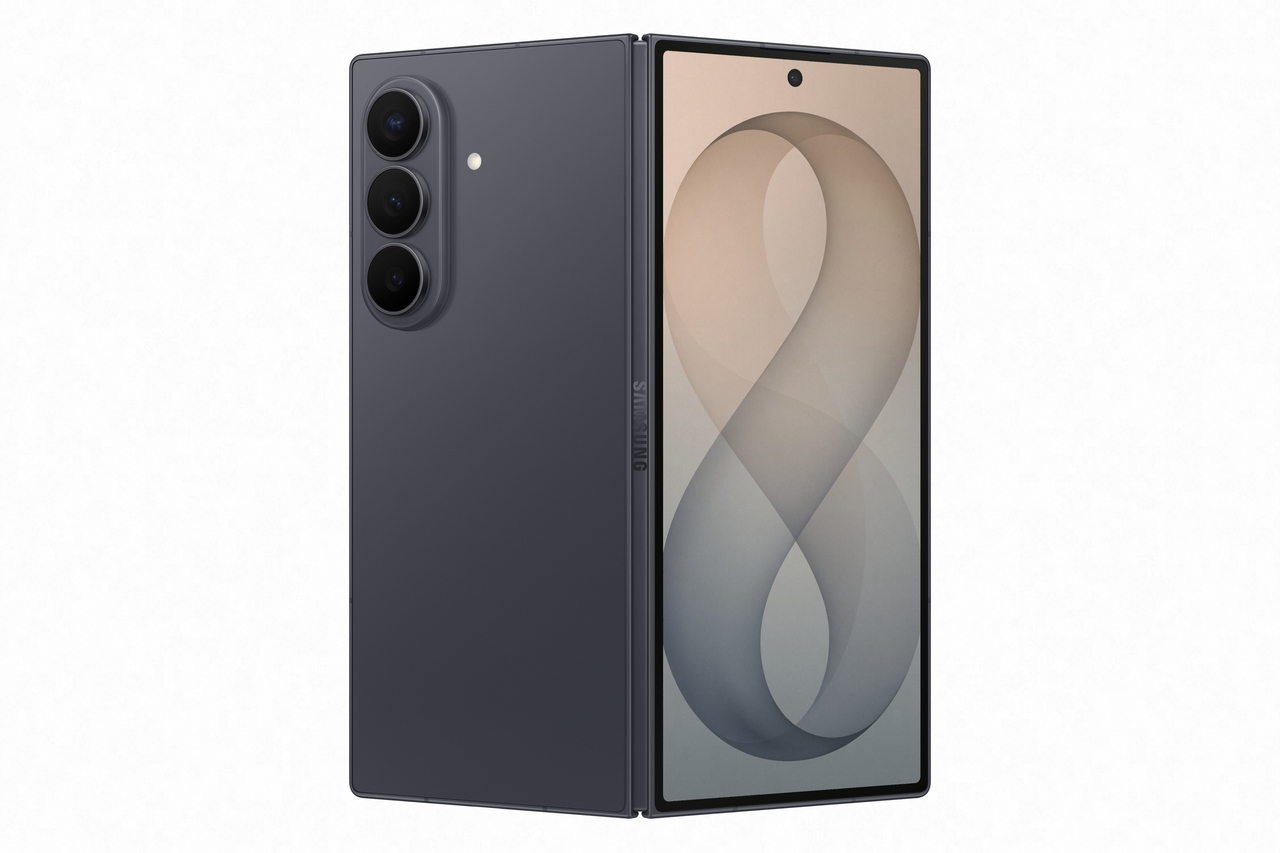
The Fold8 Ultra delivers a noticeably different experience.
Its larger display and familiar, taller proportions make it better suited to documents, spreadsheets and multitasking, but it feels more like an evolution of Samsung’s existing Fold than a fundamentally new design.
Despite its size, the device is remarkably slim. The only minor drawback during the hands-on session was the raised camera module, which caused a slight wobble when the phone rested on a table.
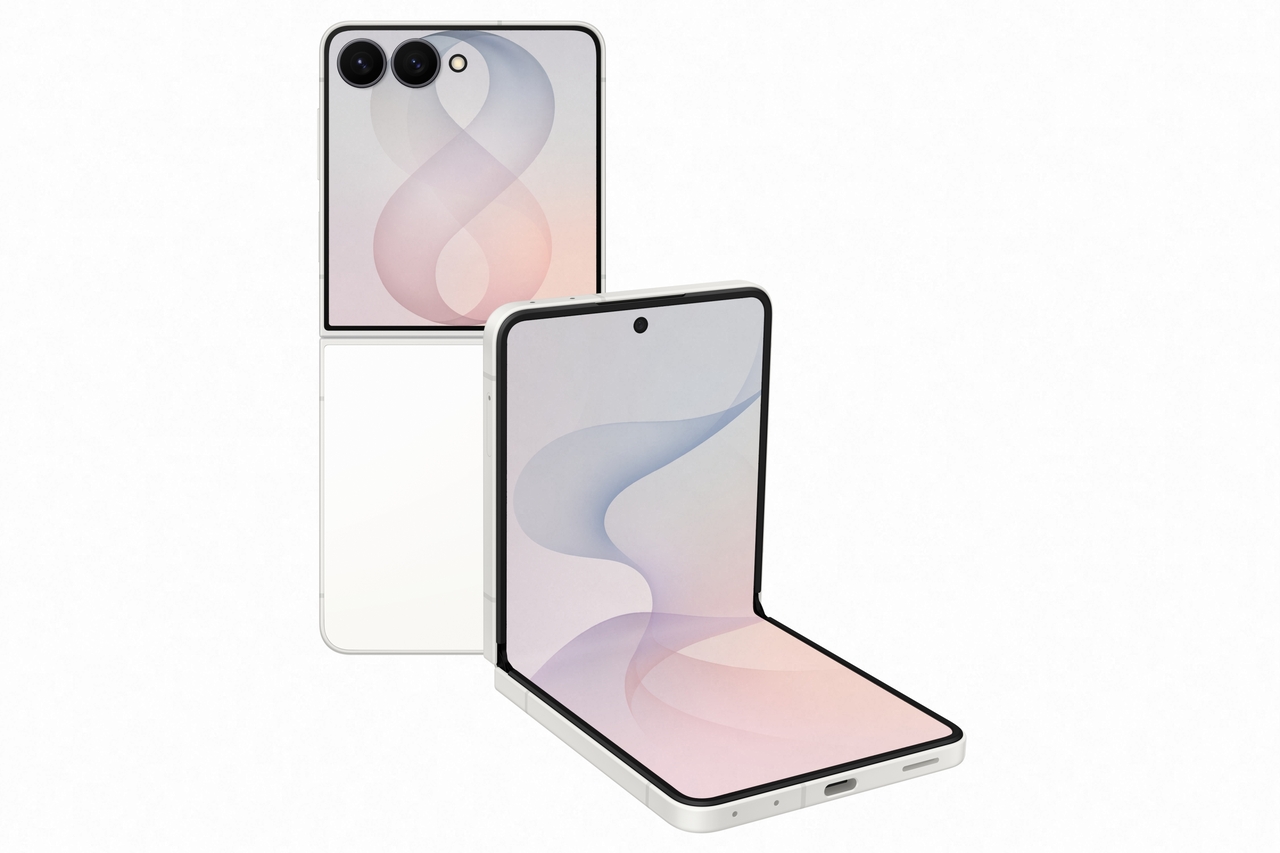
Of the three, the Galaxy Z Flip8 has the fewest hardware changes.
It feels slimmer and lighter when folded, while its cover display is convenient for checking messages, taking selfies and adjusting camera settings without opening the phone.
Compared with the reshaped Fold8, however, the Flip8 feels like a careful refinement of an already mature design rather than a major redesign.
Three devices, three different roles
A brief hands-on session is not enough to judge battery life, camera performance or long-term durability.
It was, however, enough to show that Samsung has given each foldable a more distinct identity.
The Fold8 Ultra is aimed at users who prioritize productivity and premium hardware. The Flip8 continues to refine Samsung’s compact foldable experience.
The Fold8, meanwhile, strikes the most natural balance between smartphone and tablet. Rather than adding more features, its wider proportions make the foldable form factor itself feel more intuitive.
That ultimately left the strongest impression. The Fold8 did not stand out because it had the biggest screen or the most advanced camera, but because its redesigned shape made the foldable experience feel more practical in everyday use.
The Galaxy Z Fold8 Ultra, Galaxy Z Fold8 and Galaxy Z Flip8 will go on sale in Korea on Aug. 7, following preorders from July 28 through Aug. 3.
The Fold8 Ultra is priced between 2.58 million won ($1,742) and 3.45 million won, depending on storage. The Fold8 ranges from 2.28 million won to 3.15 million won, while the Flip8 costs between 1.68 million won and 1.94 million won.