
 KB News Desk
The gaming giant’s heritage work spans repatriation, restoration and cultural collaborations
One of the largest corporate supporters of Korean cultural heritage preservation is not a museum or a cultural institution, but an American video game company.
Since launching its Korean operations in 2011, League of Legends developer Riot Games has made cultural heritage preservation a centerpiece of its corporate social responsibility program. The company’s initiative has spanned the repatriation of cultural artifacts, conservation projects and collaborations that bring traditional Korean culture into contemporary pop culture.
A key part of the company’s efforts has focused on recovering Korean cultural heritage from overseas. By February 2025, Riot Games had supported the repatriation of seven cultural artifacts.
The first was the Joseon-era Buddhist artwork “Korean Sakyamuni Triad Painting.” The painting left Korea during the Japanese colonial period and was later found in the collection of a museum that had acquired it through a New York auction.
Riot Games said it funded the full cost of repatriating the painting, marking the first participation by a foreign company in a Korean cultural heritage repatriation project.
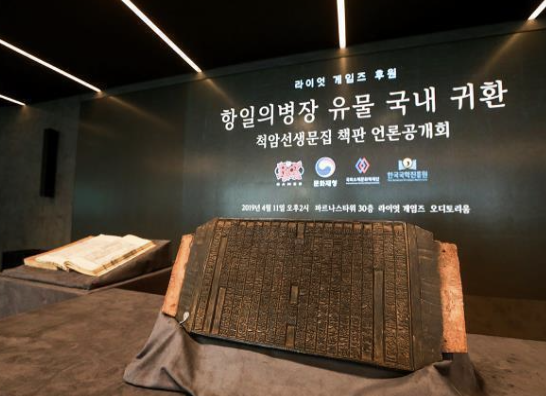
Another was the Printing Woodblock of Cheokam Seonsaeng Munjip, which had remained in a private collection in Austria before resurfacing at a German auction in 2019. After the Overseas Korean Cultural Heritage Foundation identified the artifact, it was returned to Korea later that year through the foundation, sponsored by Riot Games.
The list also includes the Signboard of Seonwonjeon Hall at Gyeongbokgung Palace and a bamboo royal investiture book created in 1819 for the investiture of Crown Princess Sinjeong. The bamboo royal book was designated a state treasure in 2023.
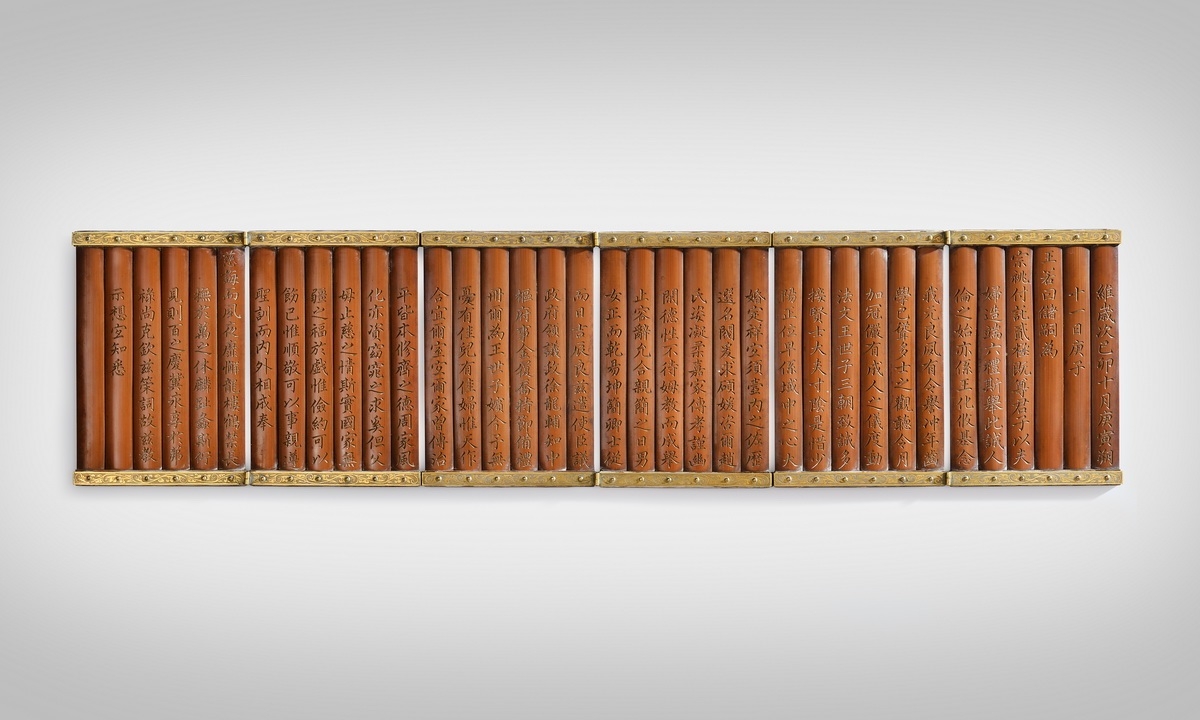
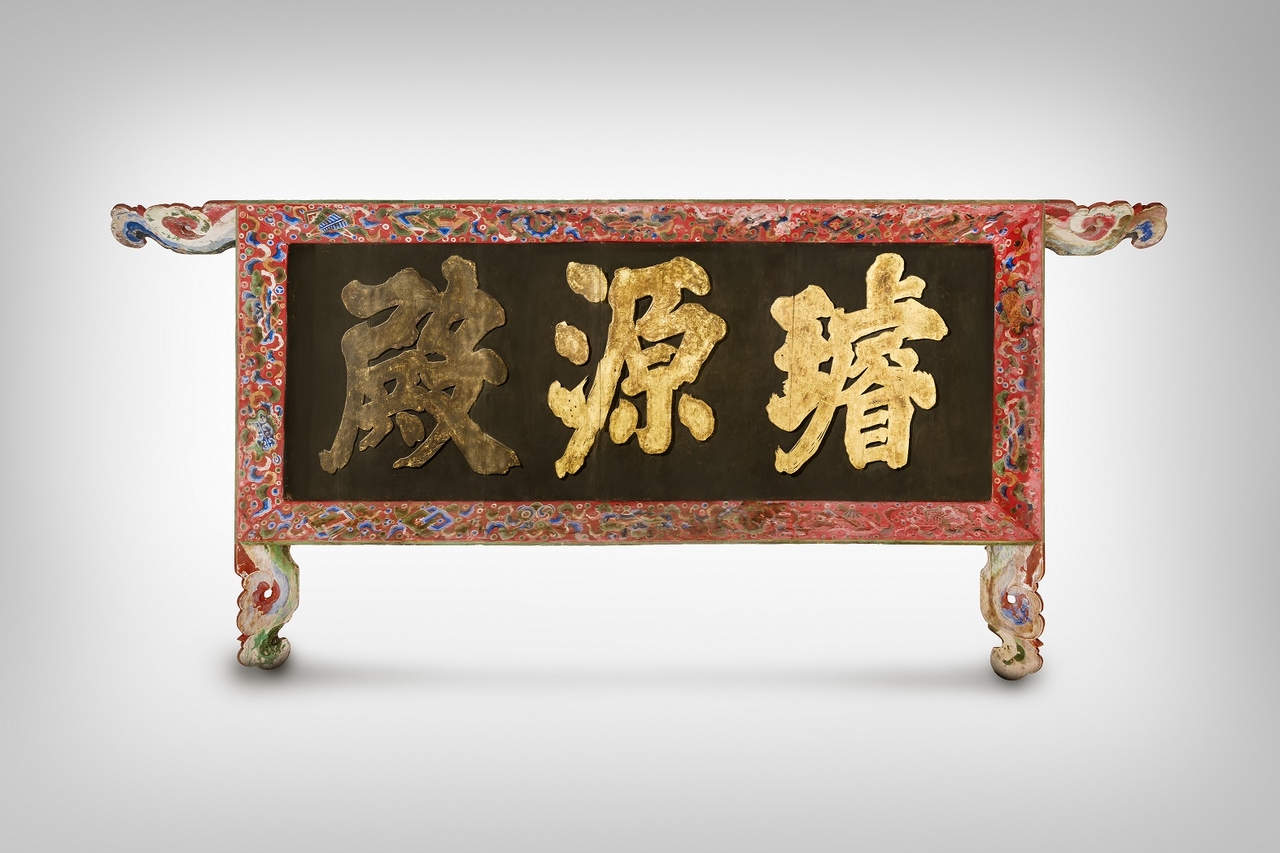
Through annual donations and preservation projects, Riot Games became the first private company and the largest corporate contributor to the Korean Heritage Guardians sponsorship program to surpass 10 billion won ($6.7 million) in cumulative contributions by December 2025.
Riot Games has also launched other projects connecting Korean cultural traditions with its gaming properties.
To mark Hanbok Day on Oct. 21, 2020, the company launched an online exhibition bringing together four hanbok artisans and Korean painter Lee Dong-yeon. The exhibition explored traditional Korean dress through Ahri, the LoL champion inspired by the Korean gumiho, or nine-tailed fox.
It also featured a hanbok created for the champion Ezreal by four holders of Korea’s National Intangible Cultural Heritage titles: master seamstress Koo Hye-ja, shoe artisan Hwang Hae-bong, decorative knot artisan Jeong Bong-seop and gold leaf artisan Kim Gi-ho.
In addition to the garments themselves, the project included a documentary following the artisans’ creative process, a Vogue Korea fashion editorial and portrait illustrations by Korean painter Lee. In 2021, the Ministry of Culture, Sports and Tourism and the Hanbok Center under the Korea Craft & Design Foundation presented Riot Games with the Hanbok Appreciation Award for its contribution to promoting hanbok culture.
Beyond repatriation, Riot Games has supported conservation treatment and academic research, including the restoration and reopening of Yi Sang’s House, the former residence of the celebrated modernist writer.
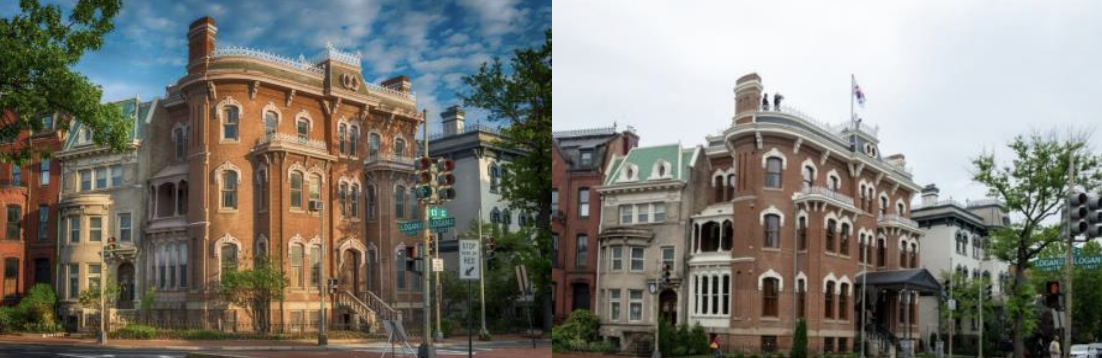
Its heritage initiatives have also extended overseas. Riot Games contributed to the restoration of The Old Korean Legation in Washington, D.C., and the development of its exhibition spaces. The building now operates as a museum documenting the diplomatic history of the Korean Empire and the early history of Korea-US relations.