
 KB News Desk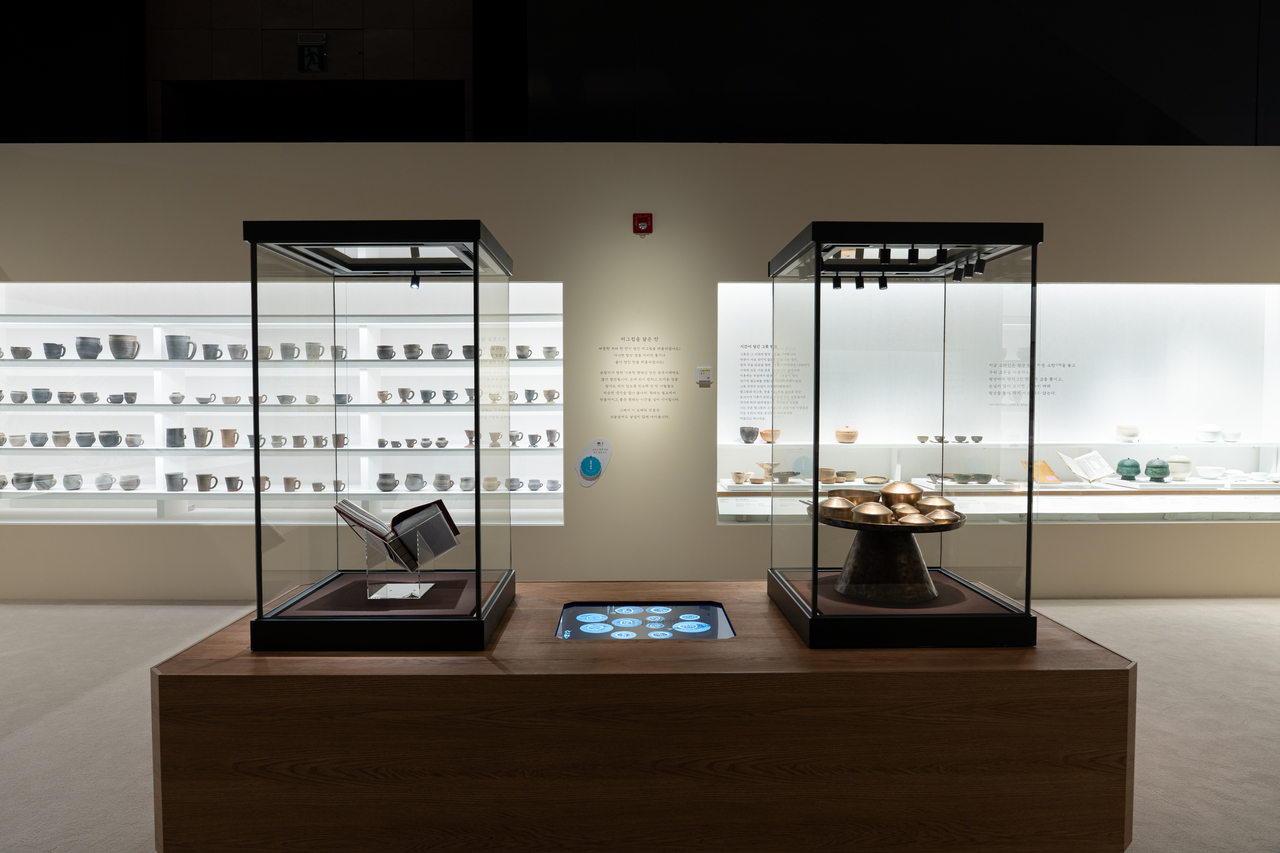
In Korea, “have you eaten?” has long served as a greeting, while countless expressions — from sikgu, meaning family and derived from “people who share meals” to idioms built around the dining table — reveal how deeply food is woven into everyday language and relationships.
The newly opened exhibition “The Korean Table: Food, Nature, and Life” at the National Museum of Korea explores the history of Korean dining culture and food through some 650 artifacts, paintings and immersive installations in collaboration with 51 institutions from across the country.
The exhibition is the largest to feature Korean food culture, according to the museum.
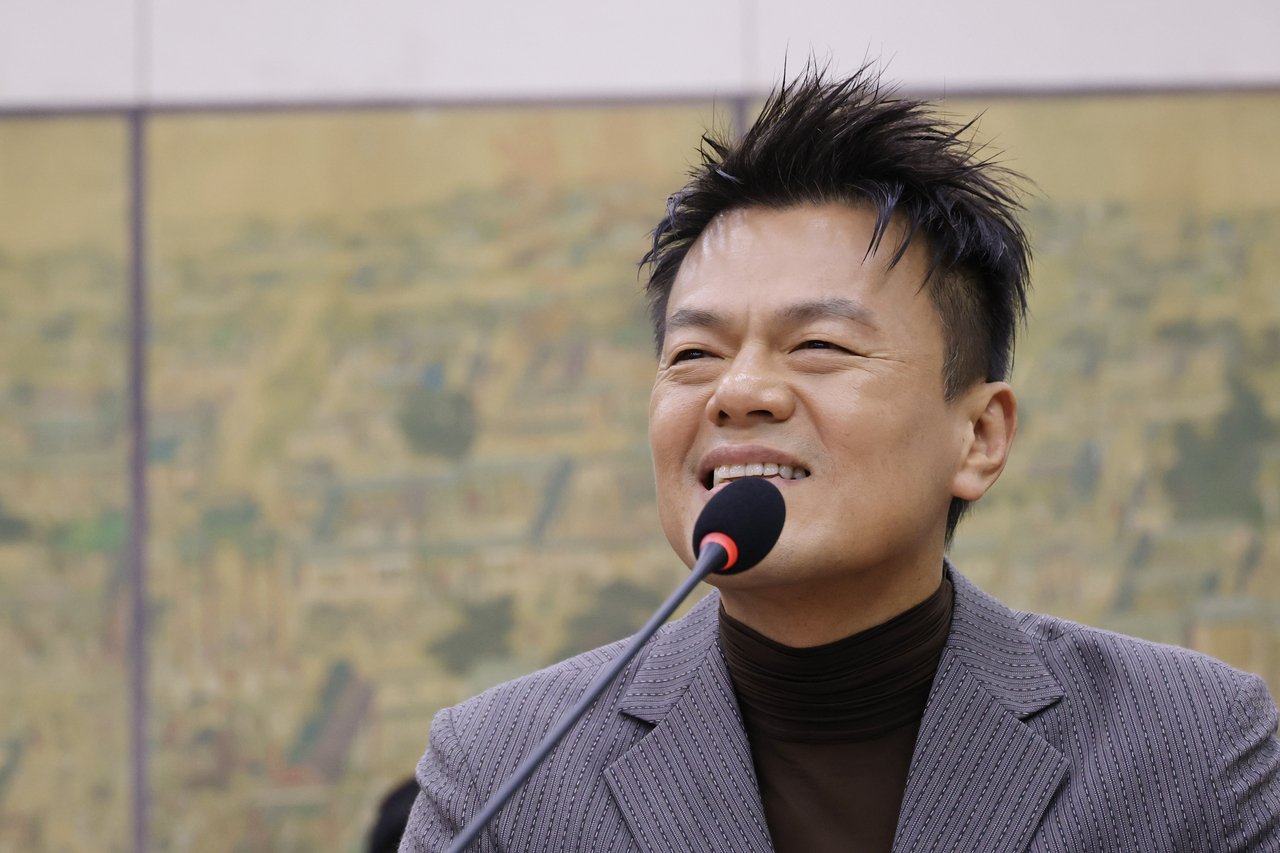
“This special exhibition invites us to rediscover the value of the dining table, something we have long taken for granted,” You Hong-june, director of the National Museum of Korea, said on Tuesday.
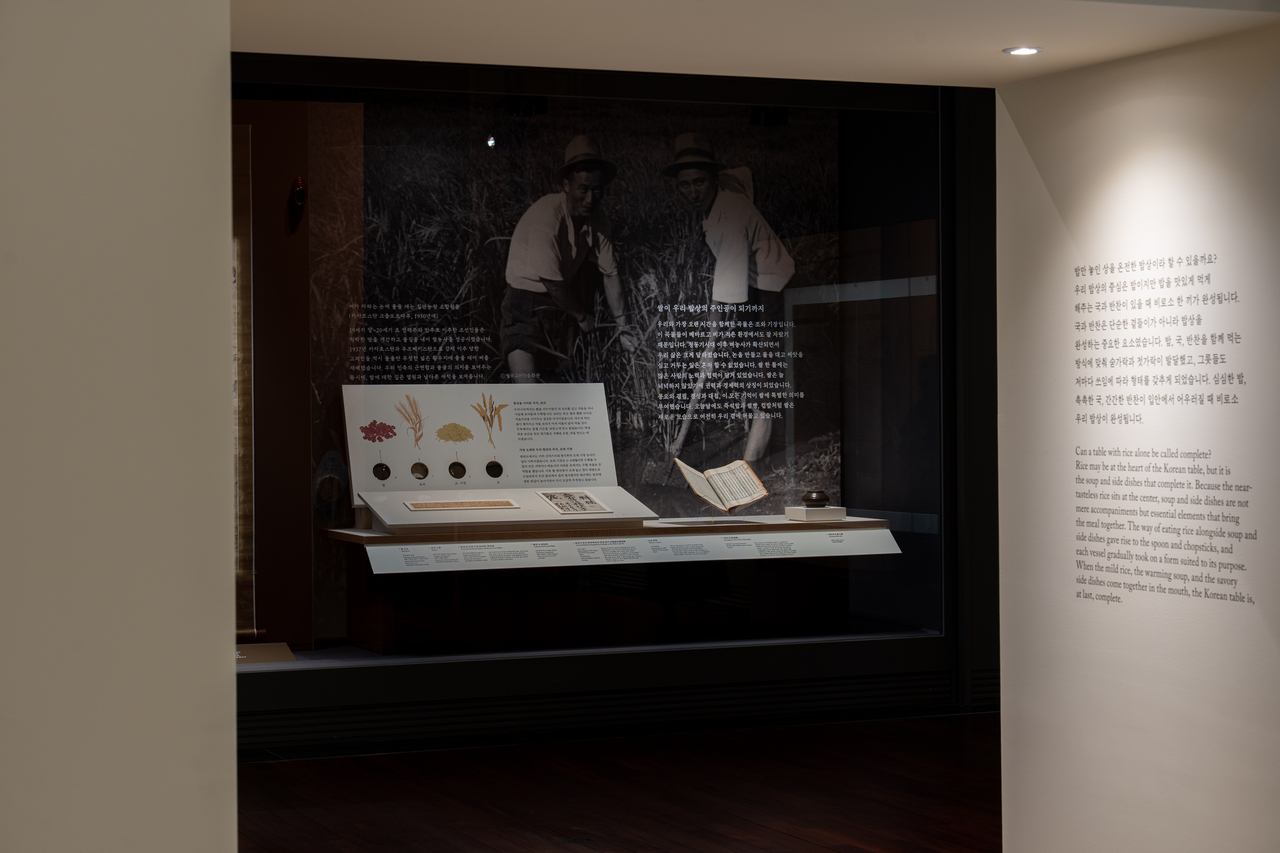
He described the exhibition as a “remarkable blend of literature, art, archaeology and history, much like bibimbap” (a Korean mixed rice dish in which various ingredients are combined in one bowl).
It traces how the Korean table has evolved alongside everyday life and seasonal rhythms and is divided into two sections: “A Table Shared with Life” and “A Table Shaped by Nature.”
When did Koreans begin cultivating rice? The charred rice grains unearthed from a Bronze Age dwelling site in Heunam-ri, Yeoju, in 1979, and a fifth-century portable hearth offer a glimpse into how people cooked rice during the Three Kingdoms period.
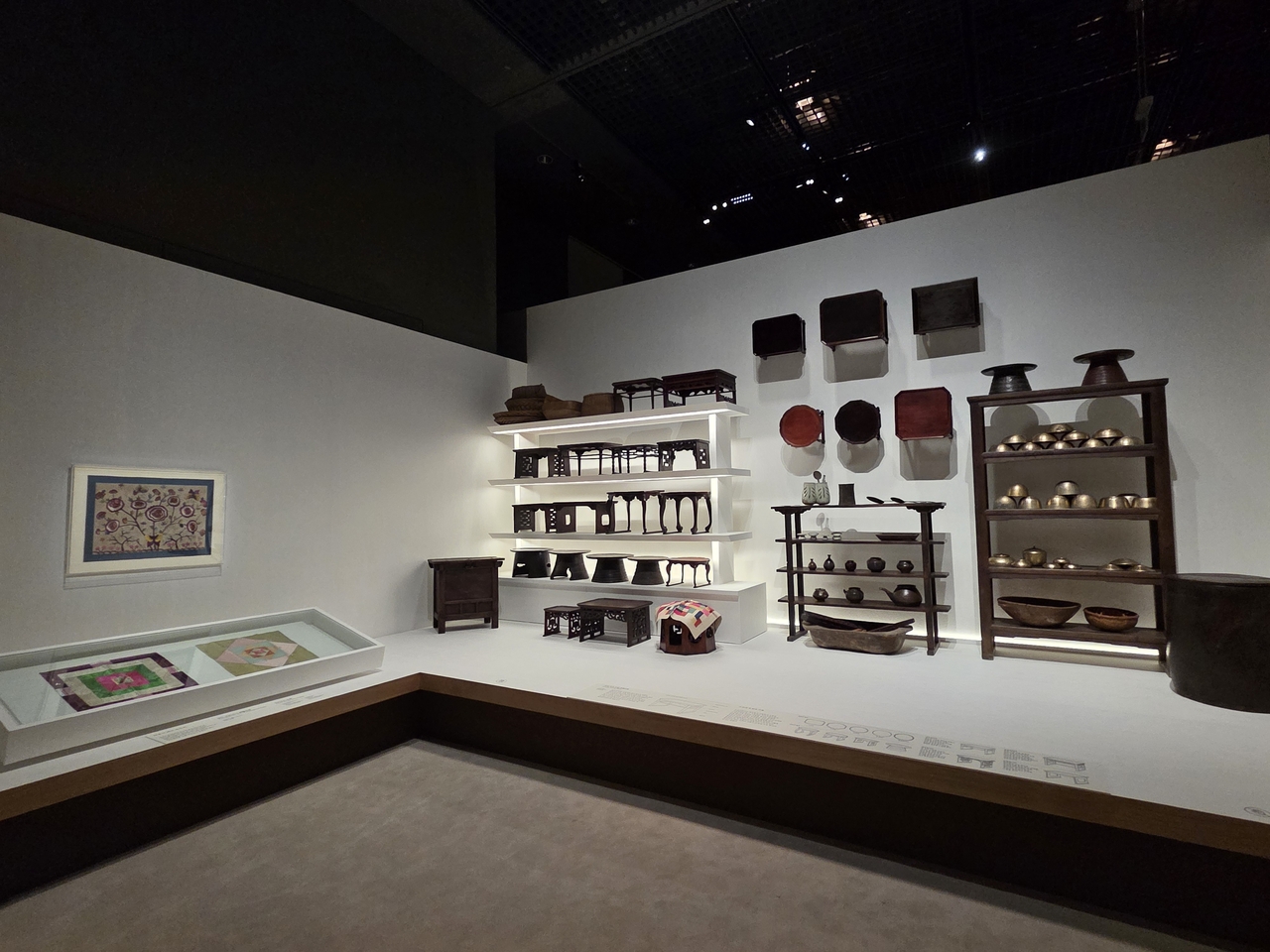
A sixth-century earthenware “siru” (steamer) and an iron cauldron, believed to date to the Goguryeo Kingdom (37 BC–668 AD) are part of the show, unearthed from a Goguryeo military outpost along the Han River. The iron cauldron was found resting on a stone hearth, indicating that soldiers stationed there likely used it for cooking, according to the museum.
The exhibition also asks why Koreans say they “build” rice rather than simply “cook” it, just as “build a house” is used when constructing a home.
“Preparing a proper pot of rice required far more than boiling grains: from washing and soaking the rice to carefully controlling the heat and allowing it to steam, the process demanded time, skill, wisdom and devotion accumulated over generations,” the catalog published by the museum says about cooking rice in Korea.
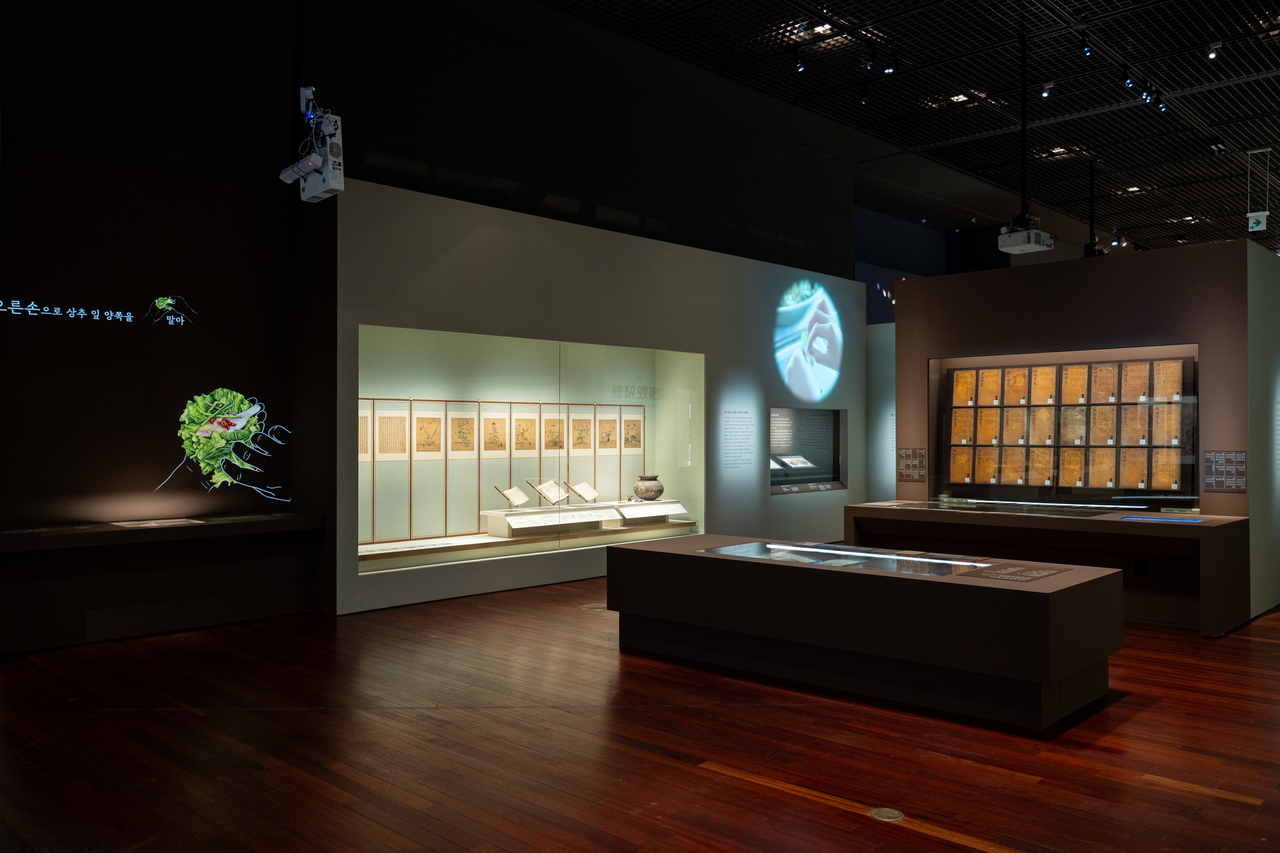
The exhibition also features “Domundaejak,” or “Treatise on Gourmet Delights,” a 17th-century essay by Joseon writer Heo Gyun that vividly records regional delicacies and culinary culture across Korea. The book offers insight into the ingredients and foods commonly enjoyed during the Joseon era (1392–1910).
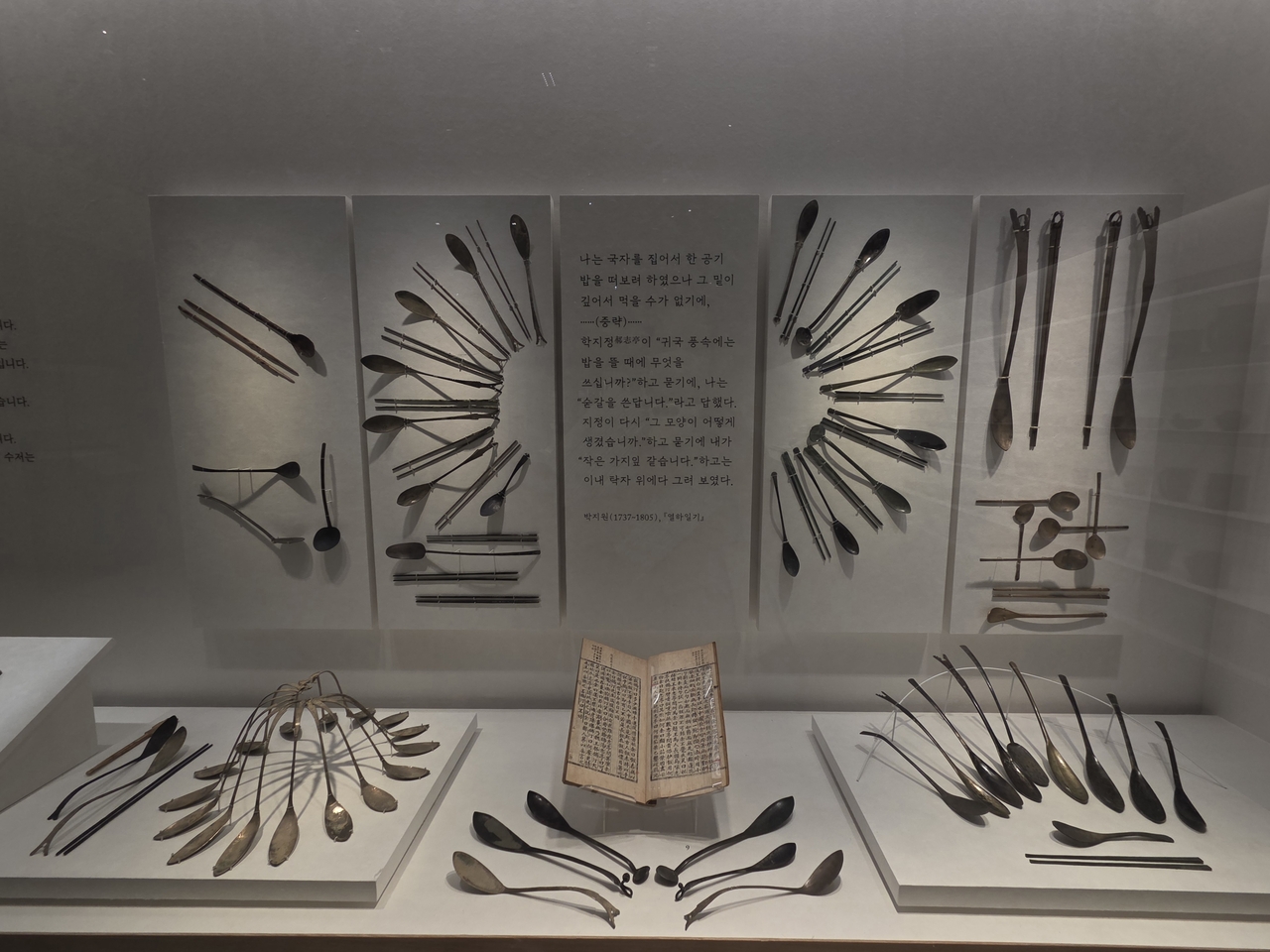
Distinctive features of Korean tableware are also introduced. Korea is the only country in East Asia to have traditionally used metal spoons, while its flat, metal chopsticks have evolved into a uniquely Korean form, according to the museum.
The exhibition runs through Oct. 25.