
 KB News Desk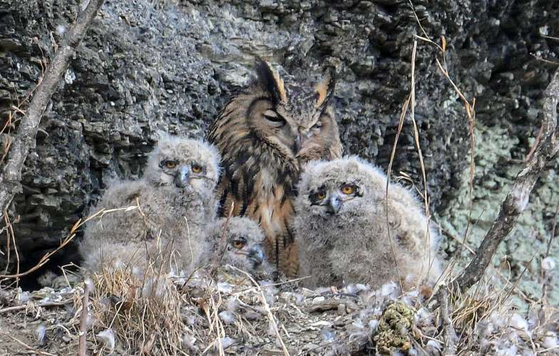
Controversy over a planned riverside walkway through a natural wetland in Daegu has become a test of how South Korea should balance environmental conservation with residents’ demands for public access to nature.
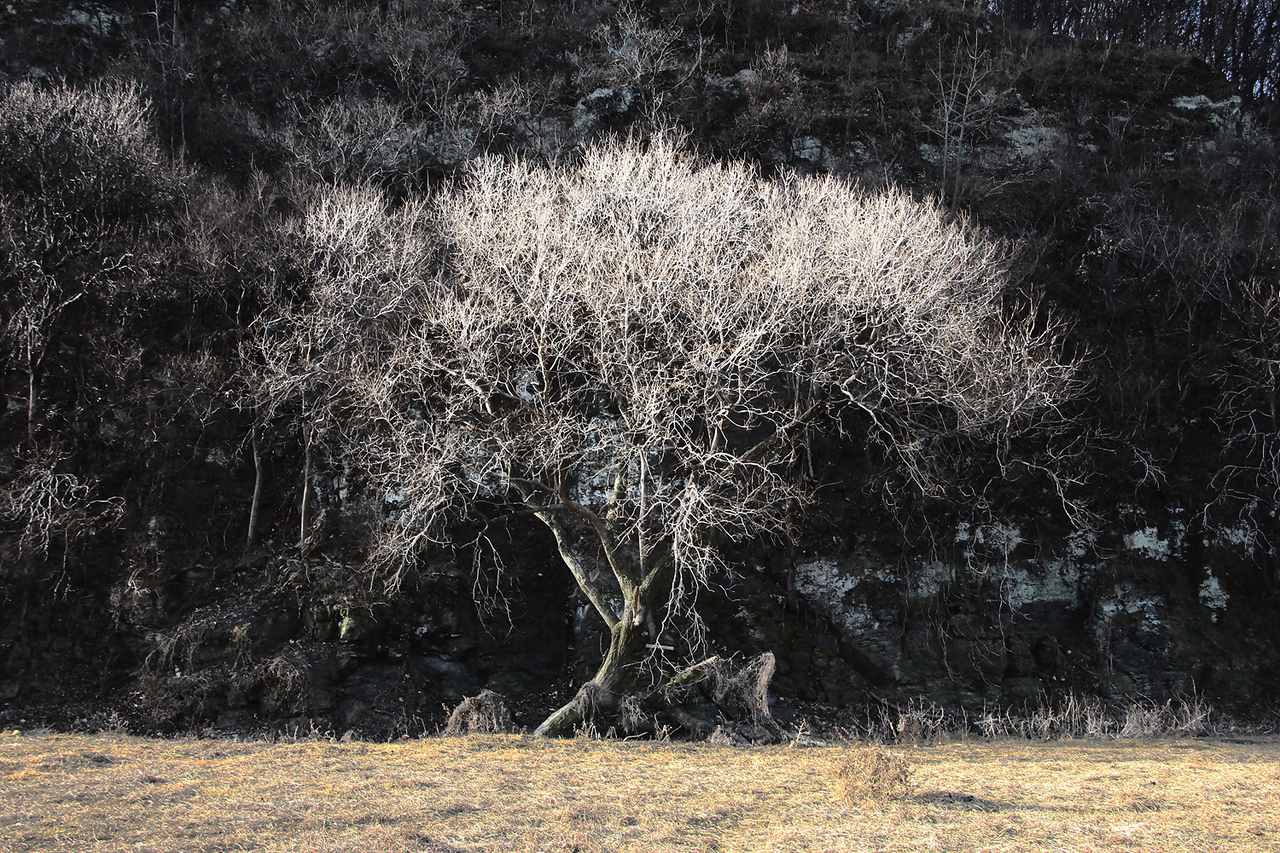
The Nakdong River Basin Environmental Office is seeking to build a pedestrian bridge and walkway through Palhyeon Wetland, a naturally formed riverside habitat near downtown Daegu that is home to several legally protected species.
The project has been stalled for four years amid opposition from environmental groups and some residents, becoming one of Daegu’s most divisive environmental issues.
Despite the prolonged dispute, authorities continue to pursue the plan with strong backing from many local residents.
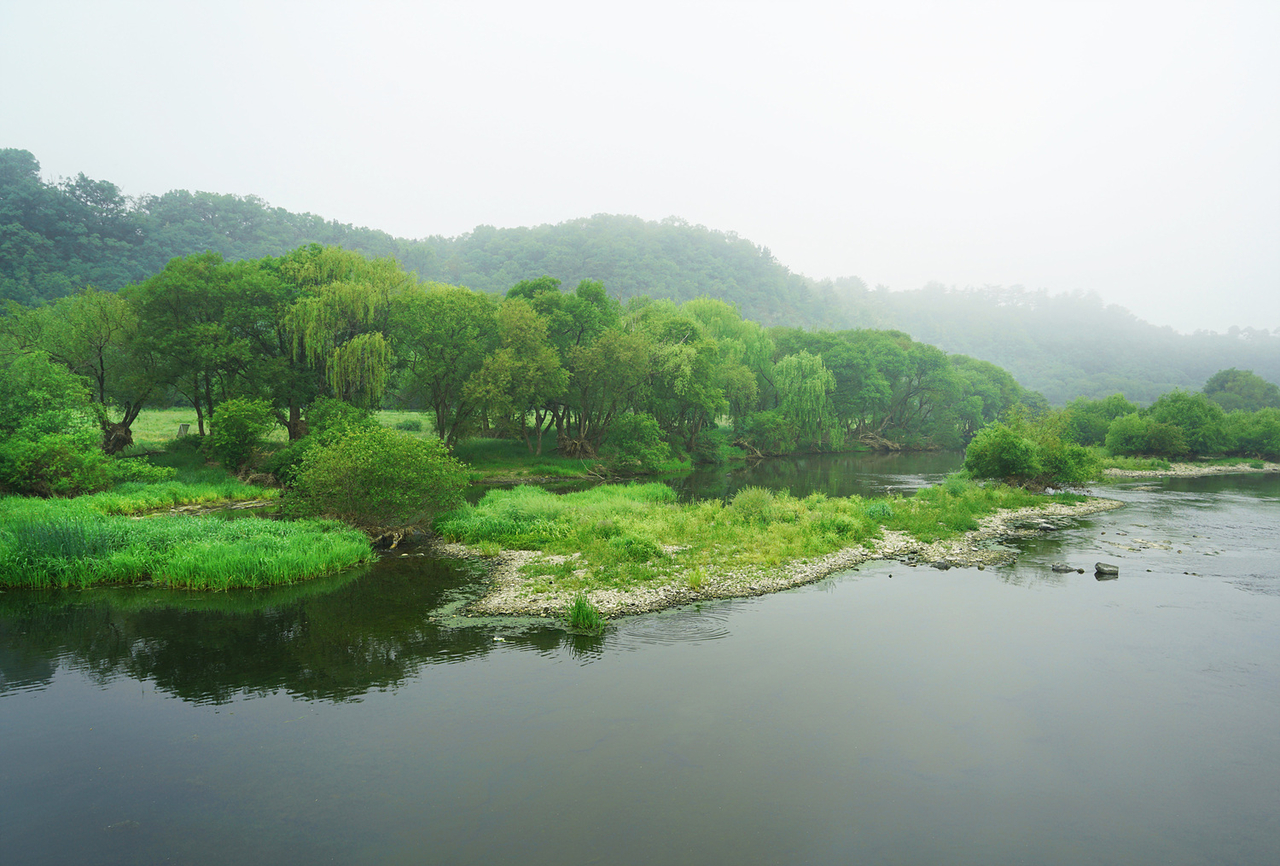
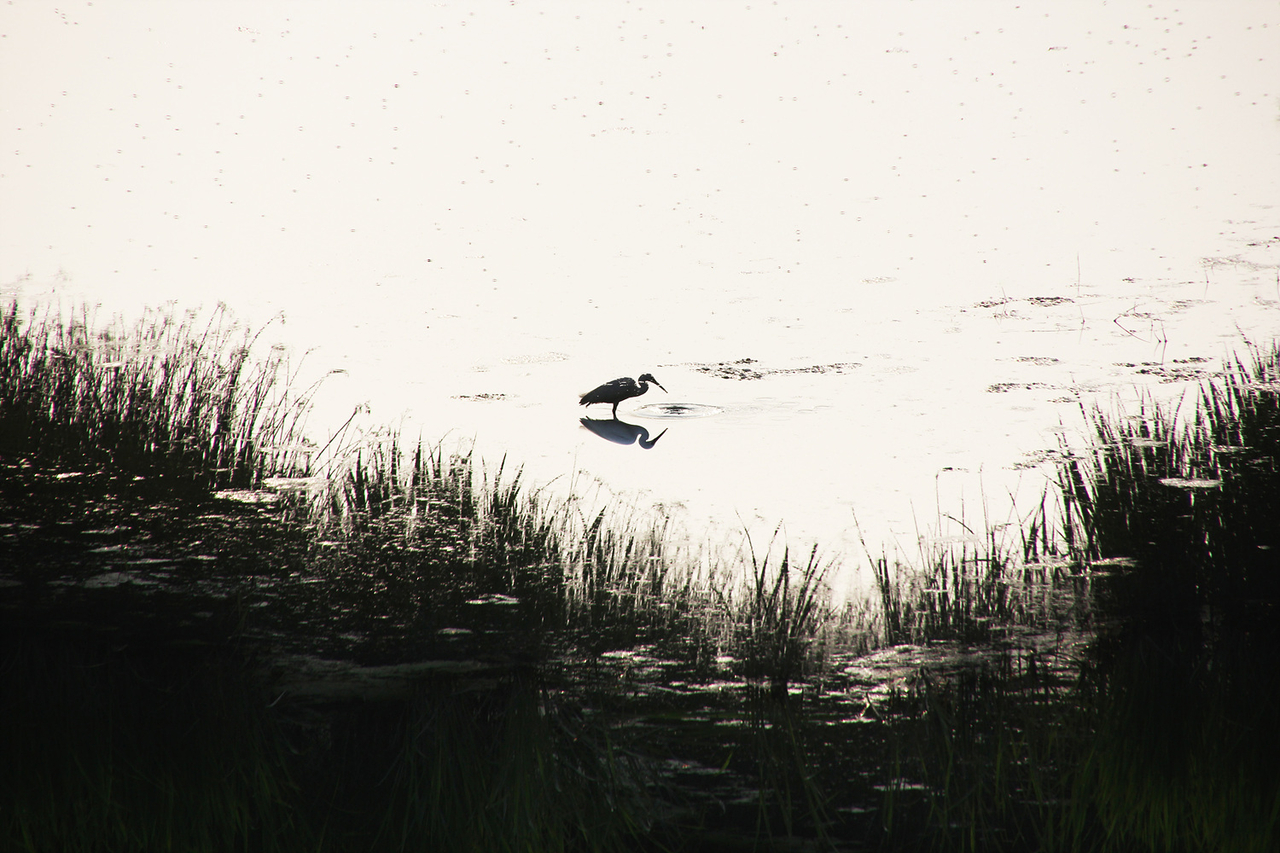
According to the Daegu chapter of the Korean Federation for Environmental Movement, the 2-square-kilometer wetland along the Geumho River provides habitat for at least 25 protected species, including martens, Eurasian otters and Eurasian eagle-owls, despite being only a few hundred meters from nearby apartment complexes.
The project, first proposed in 2022, calls for an 886-meter pedestrian bridge as part of a 1.5-kilometer riverside trail for local residents.
Before approving the plan, the environmental office conducted a small-scale environmental impact assessment that identified three protected species in the area. Environmental groups later argued that the assessment underestimated the wetland’s ecological value as additional protected species were discovered.
The environmental office rejected the criticism, saying the difference reflected seasonal changes in wildlife observations rather than flaws in the assessment. It also said there were no procedural problems that would justify canceling the project.
The agency has proposed measures to reduce environmental impact, including routing sections of the walkway 35-60 centimeters away from key habitats and minimizing the number of bridge pillars. Environmentalists argue, however, that any construction inside the wetland would inevitably damage the ecosystem.
Local support has complicated the dispute. According to the environmental office, more than 90 percent of 10,447 nearby residents supported the project in a survey conducted between November and December last year.
Residents supporting the construction have also stepped up their campaign by collecting signatures.
“The petition is more than a simple expression of support. It reflects residents’ strong desire for better public convenience, greater safety and coexistence with nature,” said Park Chun-sik, who leads a residents’ group backing the project.
“The Geumho River trail and pedestrian bridge are essential infrastructure that will improve residents’ quality of life and strengthen the river embankment, not destroy nature.”
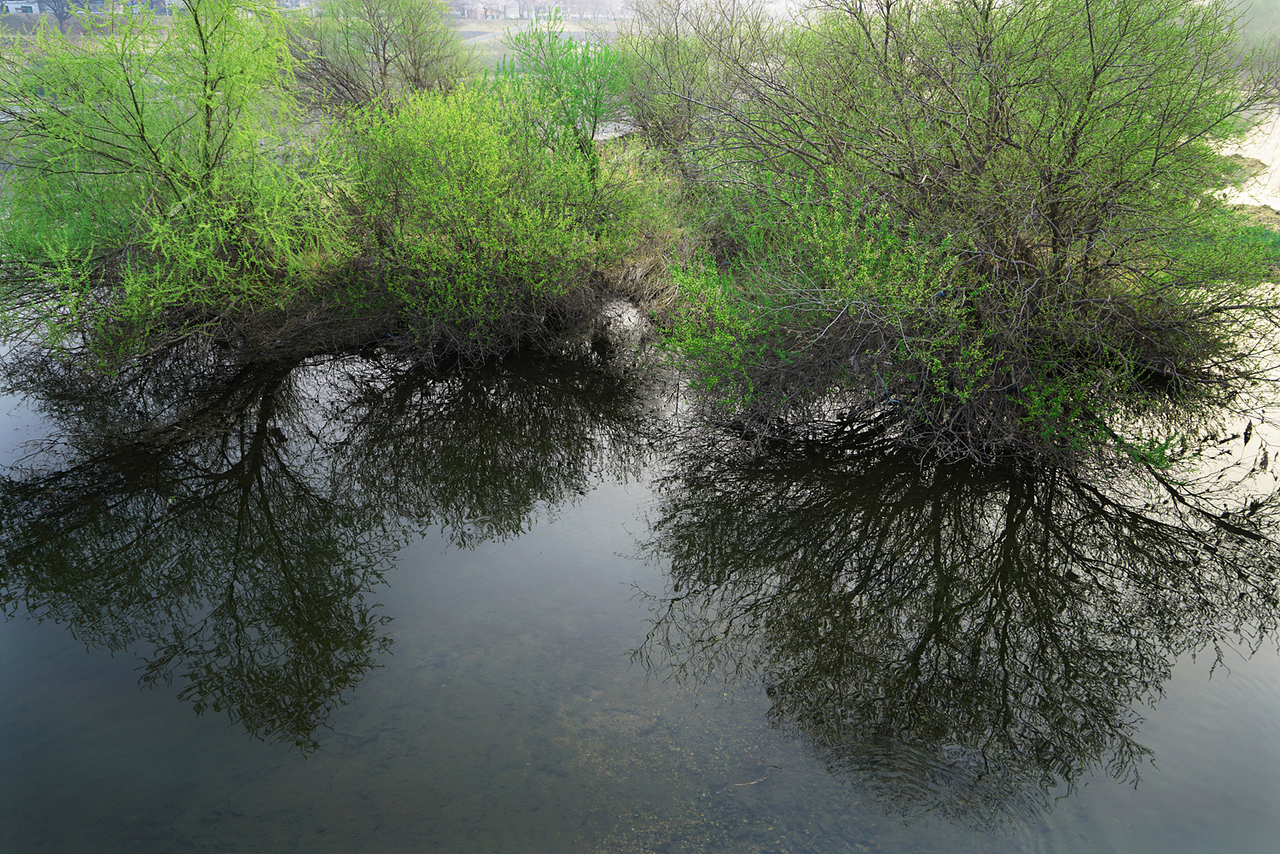
The issue also emerged as a campaign topic during the June 3 local elections. Several candidates expressed support for preserving the wetland.
“The construction is currently suspended, but it could resume once the new local government takes office, which makes us anxious,” a member of KFEM Daegu said during a joint press conference in April attended by candidates from the Democratic Party of Korea, Progressive Party, Justice Party and Reform Party.
“The candidates pledged to protect the wetland regardless of the election results, recognizing its ecological value.”
Meanwhile, environmental groups continue to promote the wetland’s ecological value through experience programs and photo exhibitions, while placing hope in its possible designation as a nationally protected wetland.
If designated, the site could receive government support for conservation, restoration and ecological tourism projects.
Photographer Park Jung-il, who has documented the wetland’s ecosystem through photo exhibitions, said he hopes his work will raise awareness of its ecological value.
“I hope these exhibitions will help preserve Palhyeon Wetland and protect it from further construction and other human disturbances,” he said.